Twinning Programme Visit to Cluj-Napoca: Connecting Soil Health, Urban Regeneration, and Climate Resilience
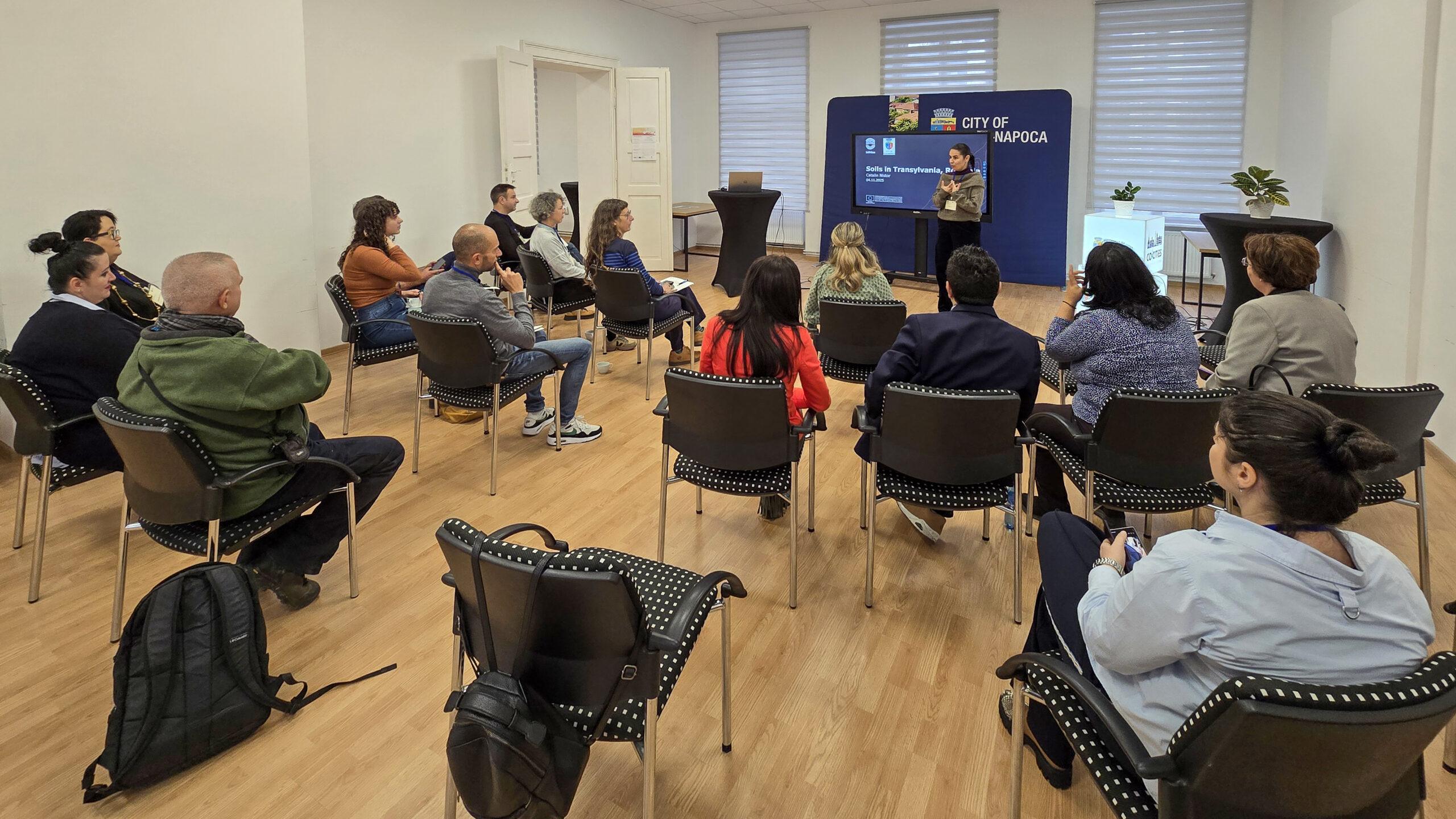
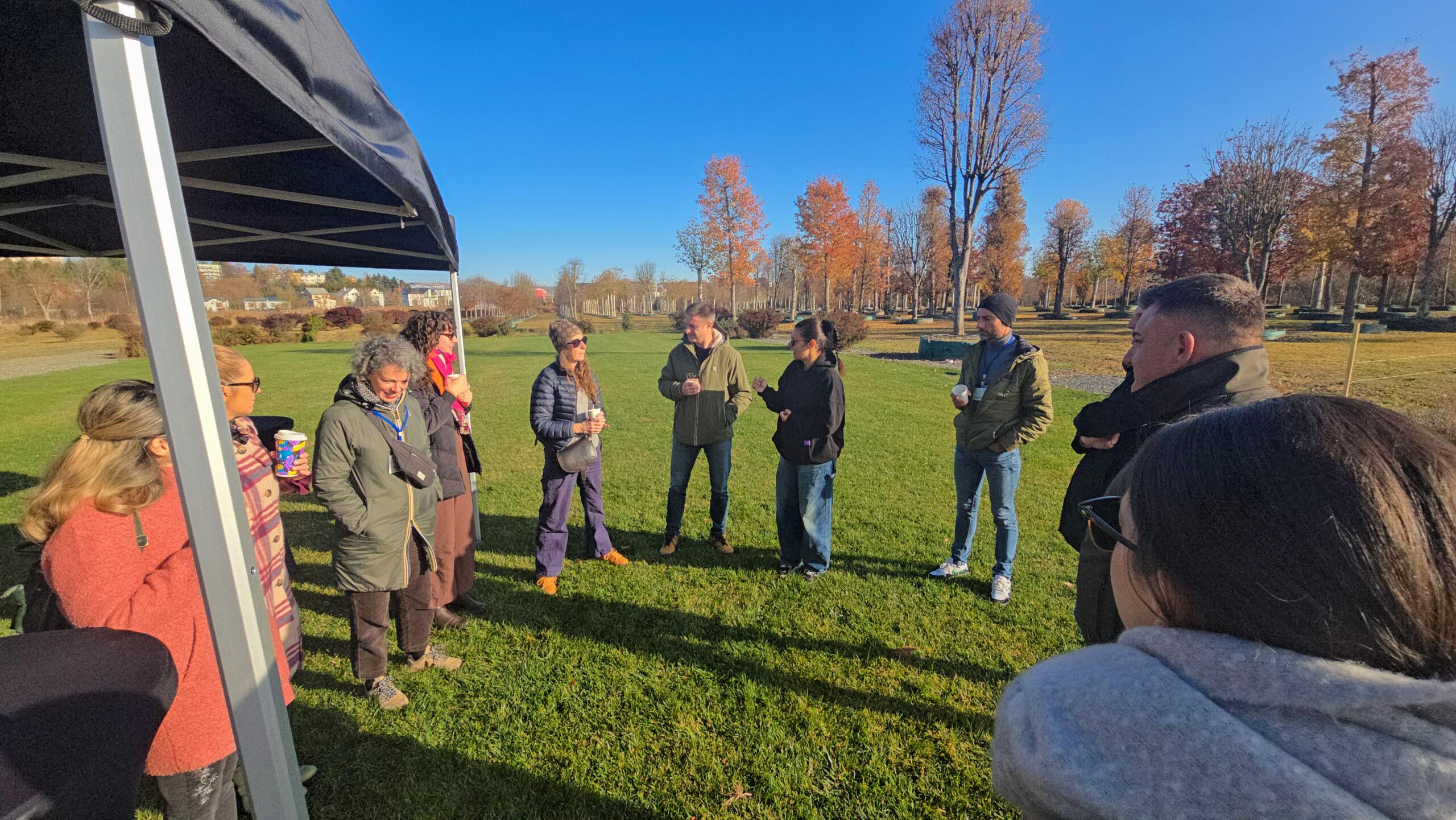
On 4–5 November 2025, the Municipality of Cluj-Napoca hosted a two-day twinning exchange visit in Cluj-Napoca, Romania, as part of the SoilTribes programme. The visit welcomed representatives from Nantes Municipality and brought together 18–19 participants from local authorities, universities and academic institutions, private sector organizations, the Pedology Institute, and the local community.
The activity created space for peer learning, practical exchange, and dialogue around soil management, urban regeneration, and climate resilience.
The twinning visit strengthened collaboration between Cluj-Napoca Municipality and Nantes Municipality, while connecting different actors around one shared question: how can soil health become part of sustainable urban development?
Through thematic sessions, field visits, and practical examples, participants explored how cities can better understand, protect, and integrate soil into planning and decision-making processes.
Exploring urban regeneration through soil
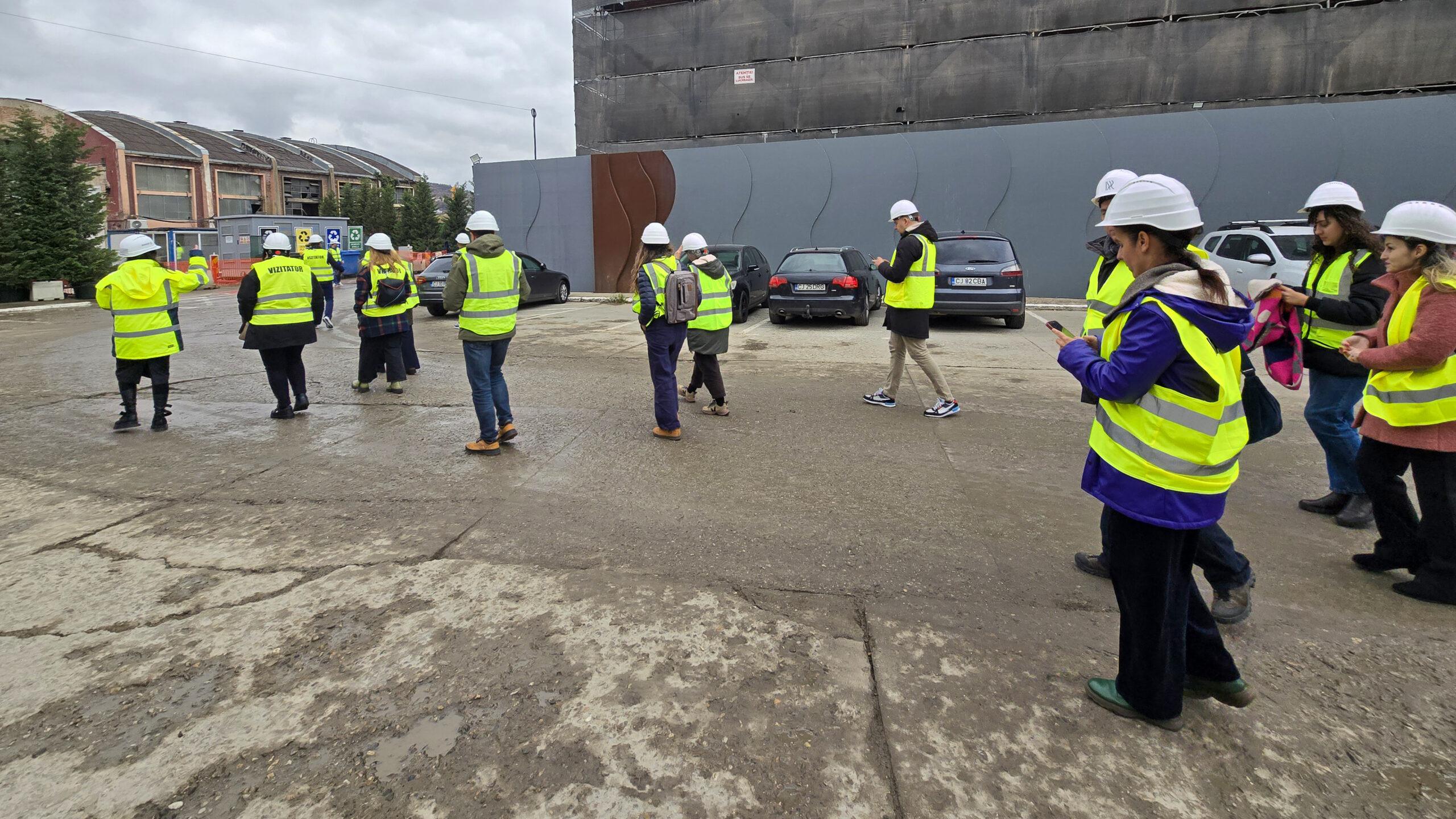
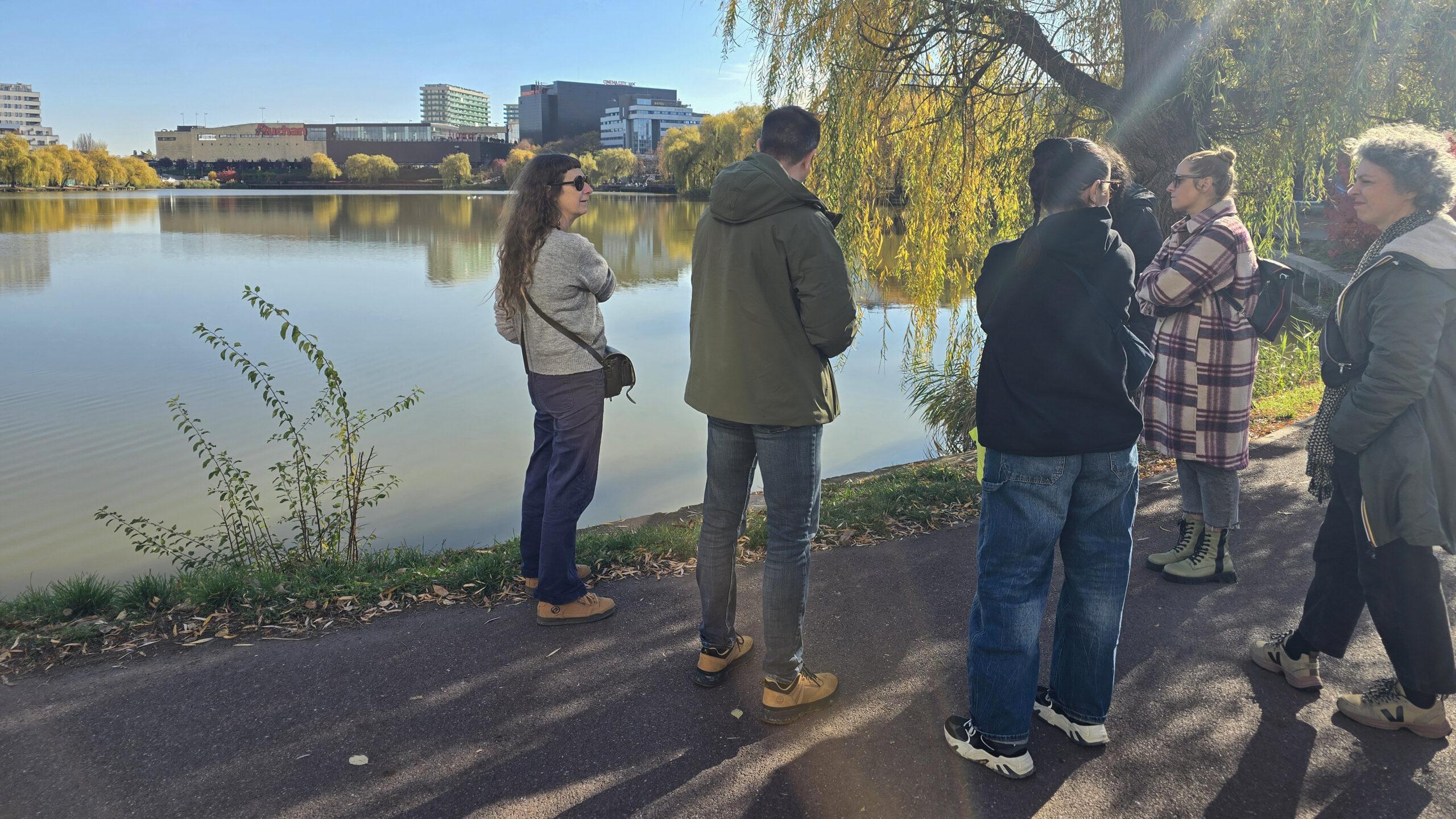
One of the key moments of the programme was the visit to the Rivus regeneration site, where participants discussed the links between land transformation, soil use, and resilient city planning. Urban regeneration is often associated with buildings, infrastructure, and public space. Yet soil plays a central role in shaping whether regeneration can be truly sustainable. It influences water management, biodiversity, vegetation, temperature regulation, and the capacity of urban areas to respond to climate pressures.
Learning from peri-urban landscapes in Sălicea
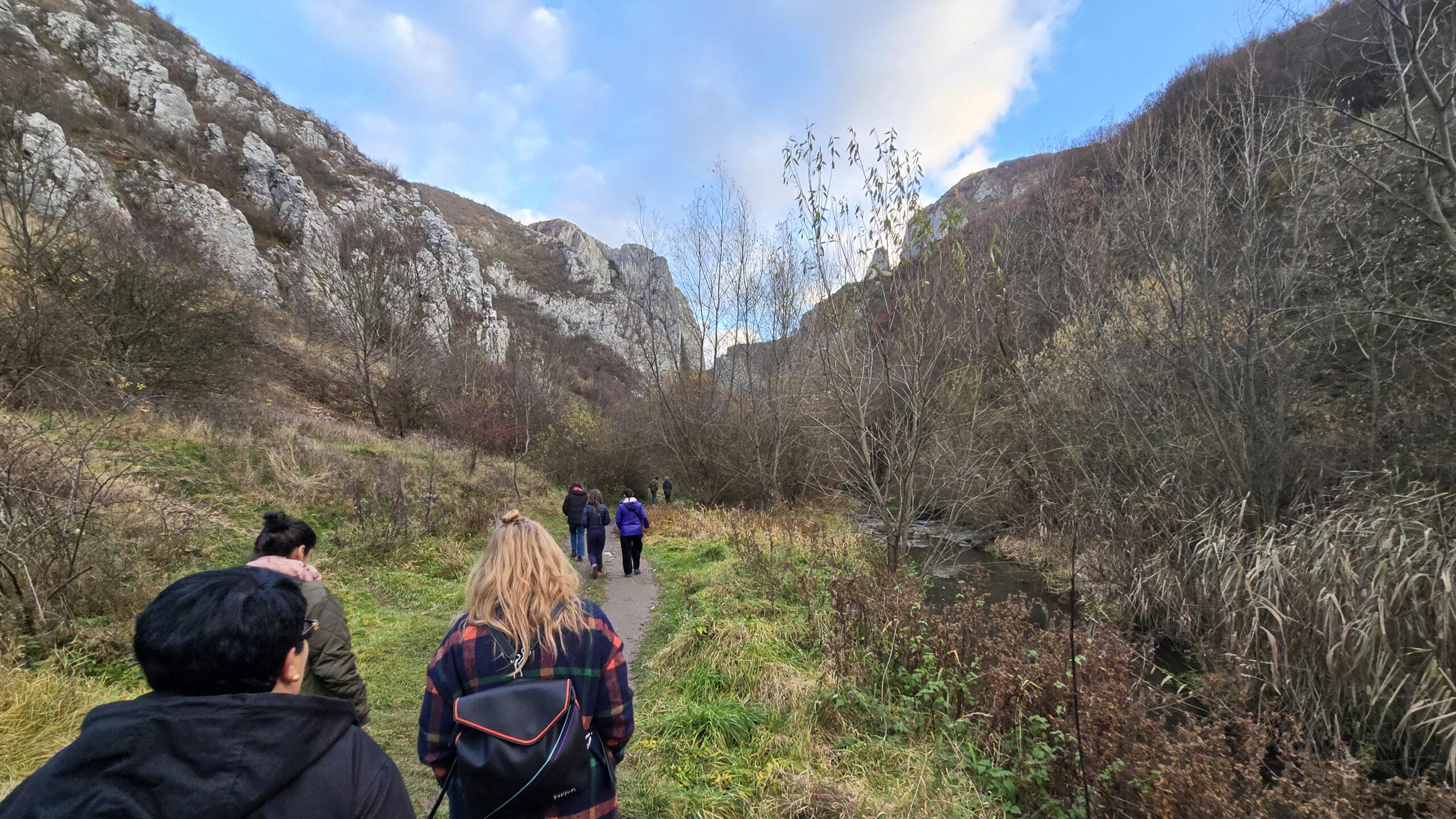
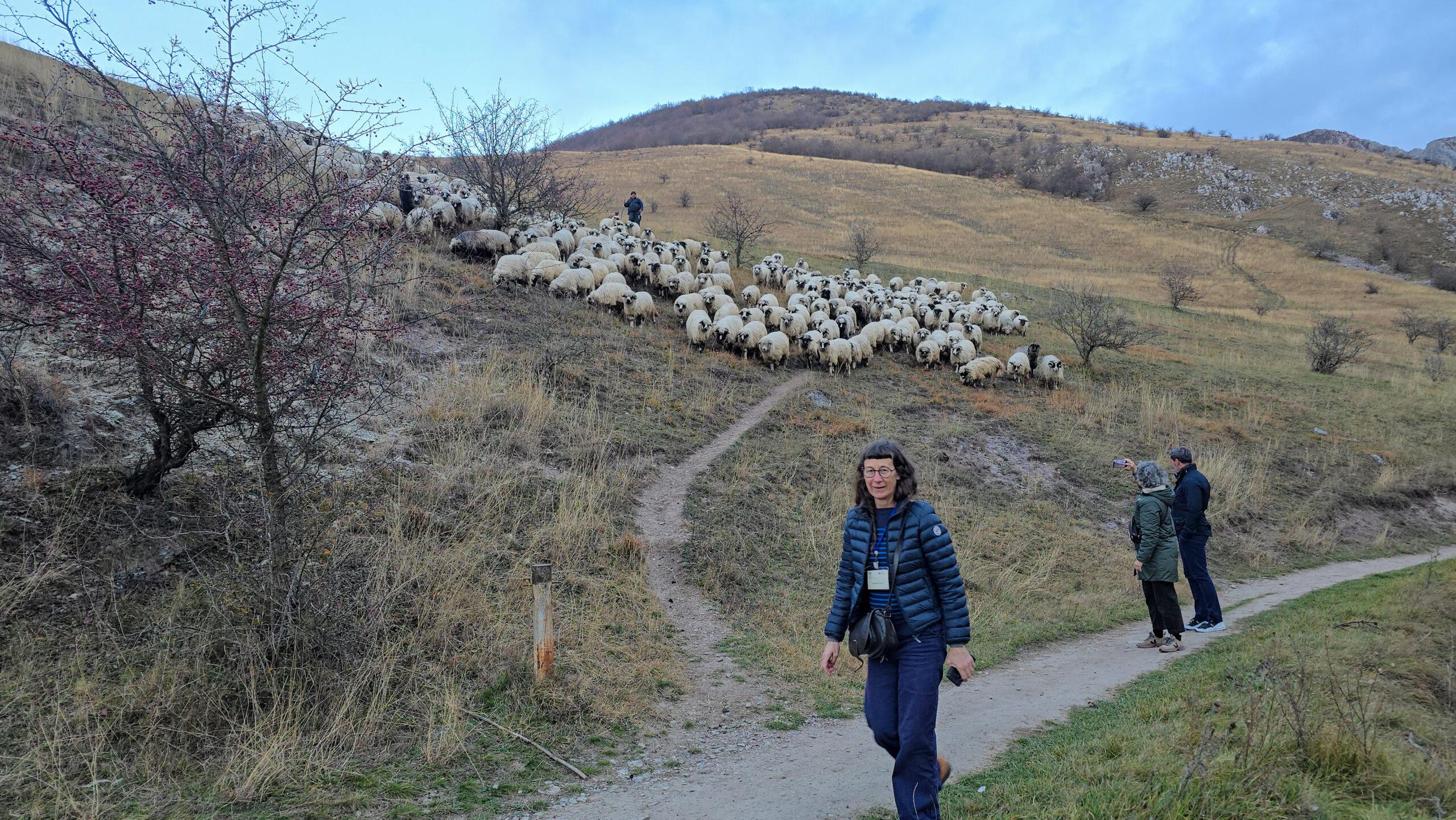
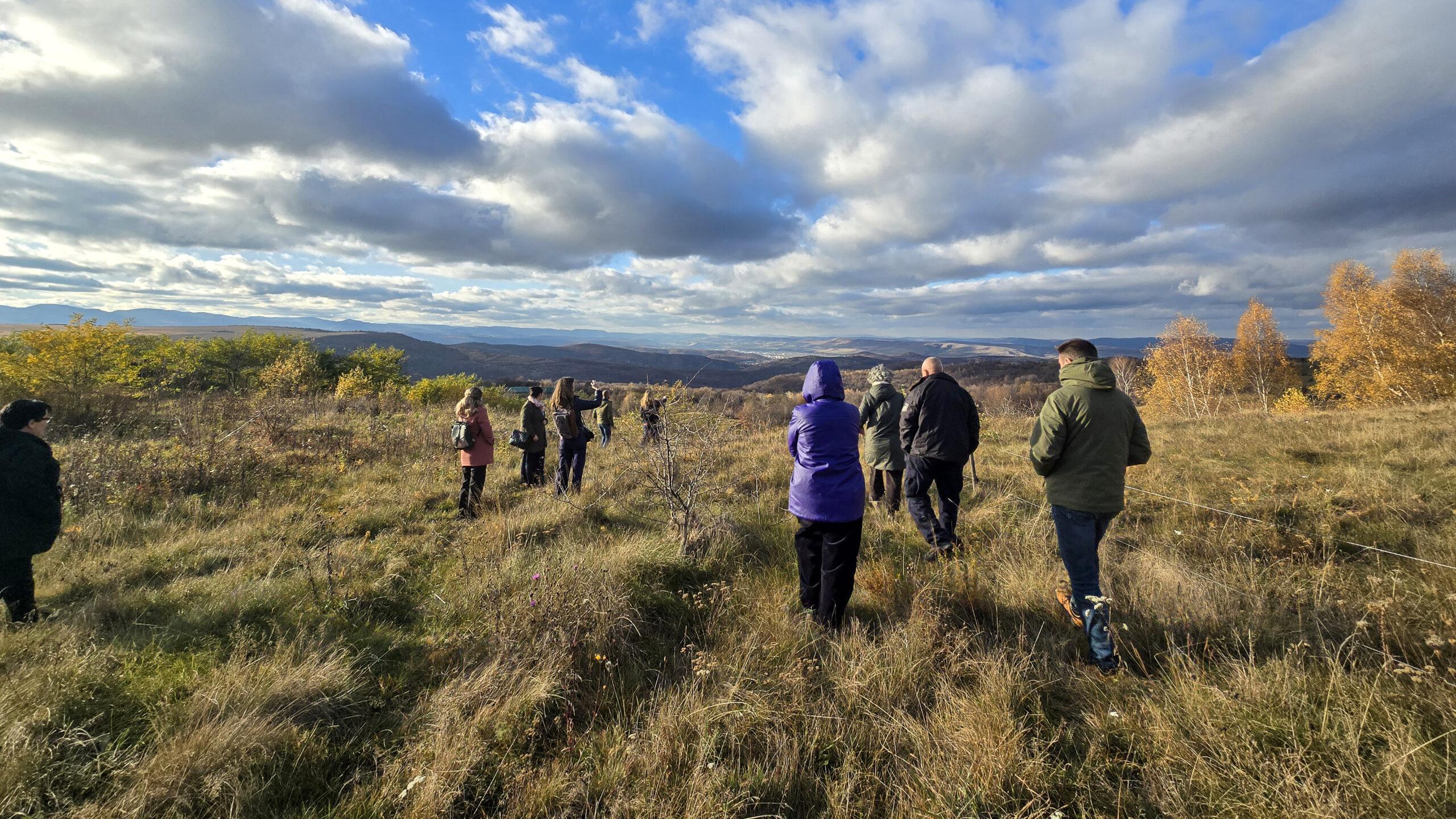
The programme also included a field visit to the peri-urban area of Sălicea, where participants explored the relationship between land use, soil protection, and resilient territorial development. In Sălicea, the exchange highlighted the importance of looking beyond city centres when discussing soil and sustainability. Soil health must be considered across the wider urban ecosystem, including the landscapes that surround and support cities.
From soil characteristics to sustainable horticulture
Participants also visited the Gheorgheni Plant Nursery, where they learned about soil characteristics, native and acclimatized species, and sustainable horticultural practices. The visit offered a concrete example of how technical knowledge can support local action. It also showed how public institutions can use everyday spaces, such as nurseries and green infrastructure sites, to promote soil literacy and more sustainable practices.
The Cluj-Napoca Twinning Visit showed how municipalities can act as connectors, creating spaces where different actors come together around local challenges and practical solutions. Through the twinning exchange, participants explored transferable practices for soil protection, reuse, biodiversity support, and sustainable land management. These insights can support future action within municipalities and among the wider SoilTribes ecosystem.
Stay connected with SoilTribes to follow upcoming activities, stories, and opportunities to engage with soil health across Europe.