Soil Justice Interactive Stand Brings Soil Literacy to the Public in Angers
On 23 May 2026, soil became a space for dialogue, creativity, and public reflection in Angers, France.
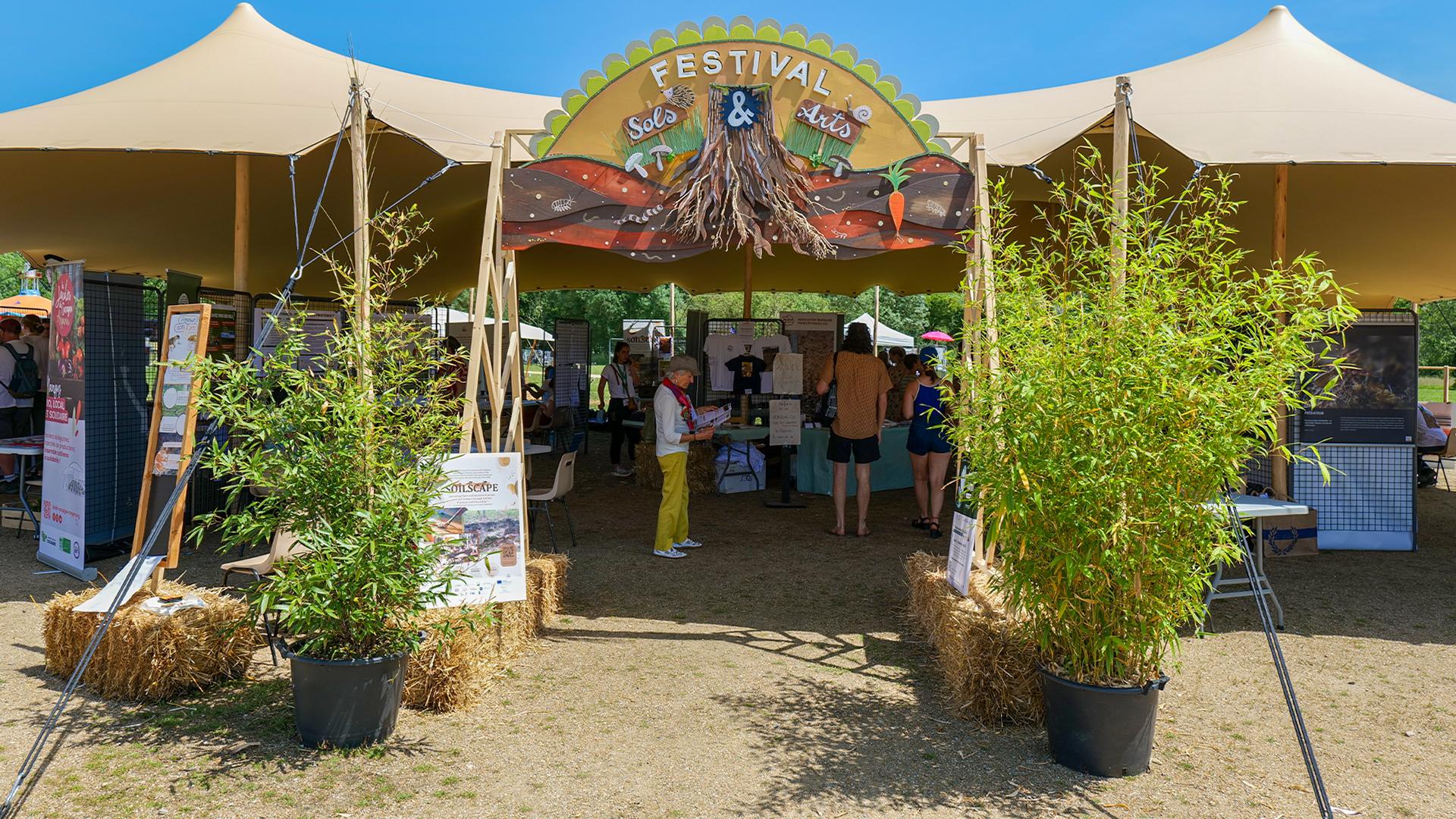
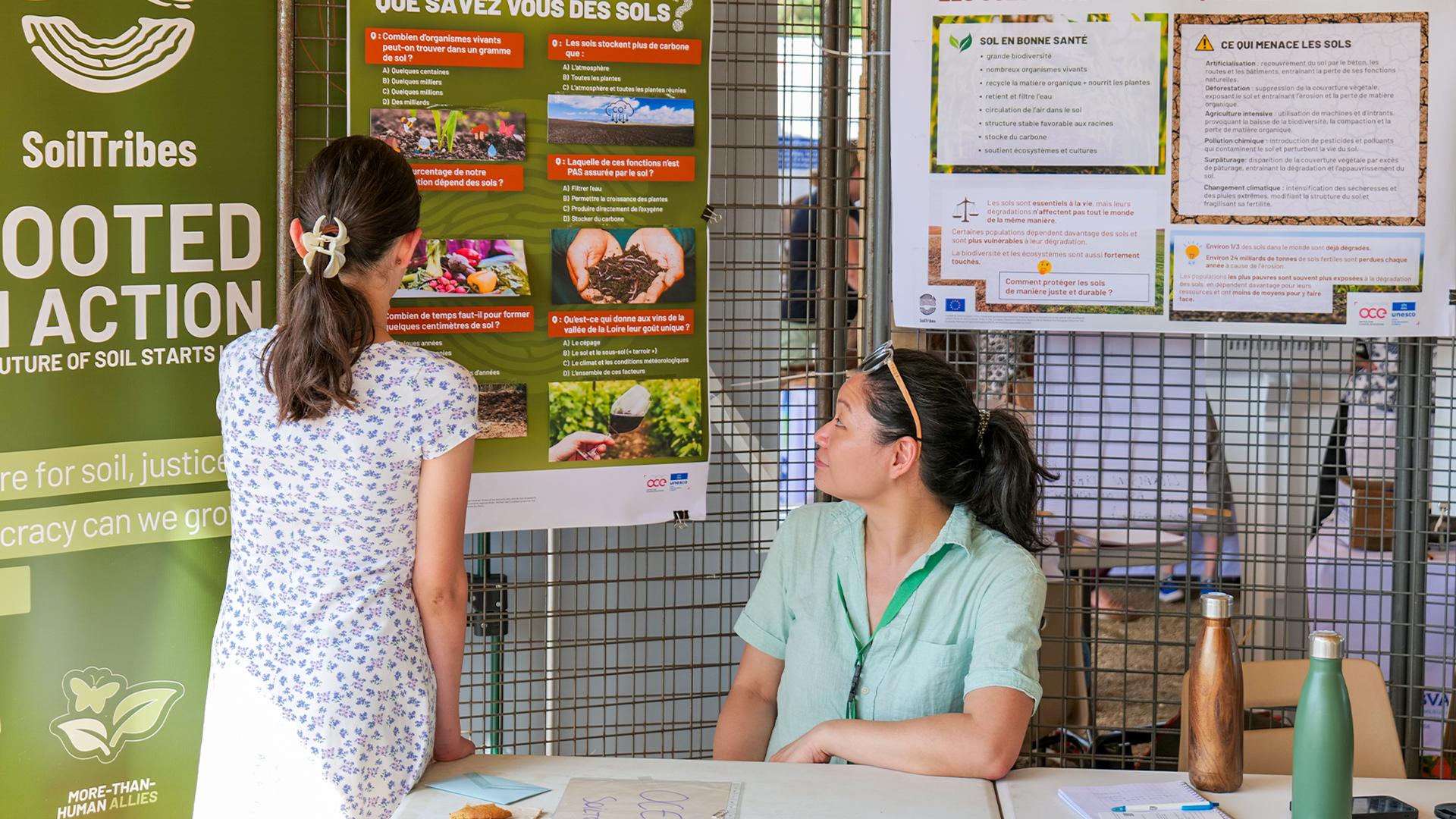
During the Festival européen des Sols & Arts, the Office for Climate Education (OCE) team hosted the Soil Justice Interactive Stand, an in-person public engagement activity dedicated to soil justice, sustainability, and community action. Organized by AFES and Soilscapes, the activity invited festival visitors to explore soil-related challenges through educational posters, open conversations, participatory activities, and collaborative art.
Reaching more than 2,000 direct and indirect participants, the stand demonstrated how soil literacy can move beyond scientific spaces and enter everyday public life. Through accessible communication and creative participation, OCE helped festival visitors reflect on the role of soils in shaping more sustainable and just futures.
Soil justice connects environmental questions with social realities. It asks how soil-related challenges affect communities, how people understand their relationship with soil, and how collective action can support healthier environments.
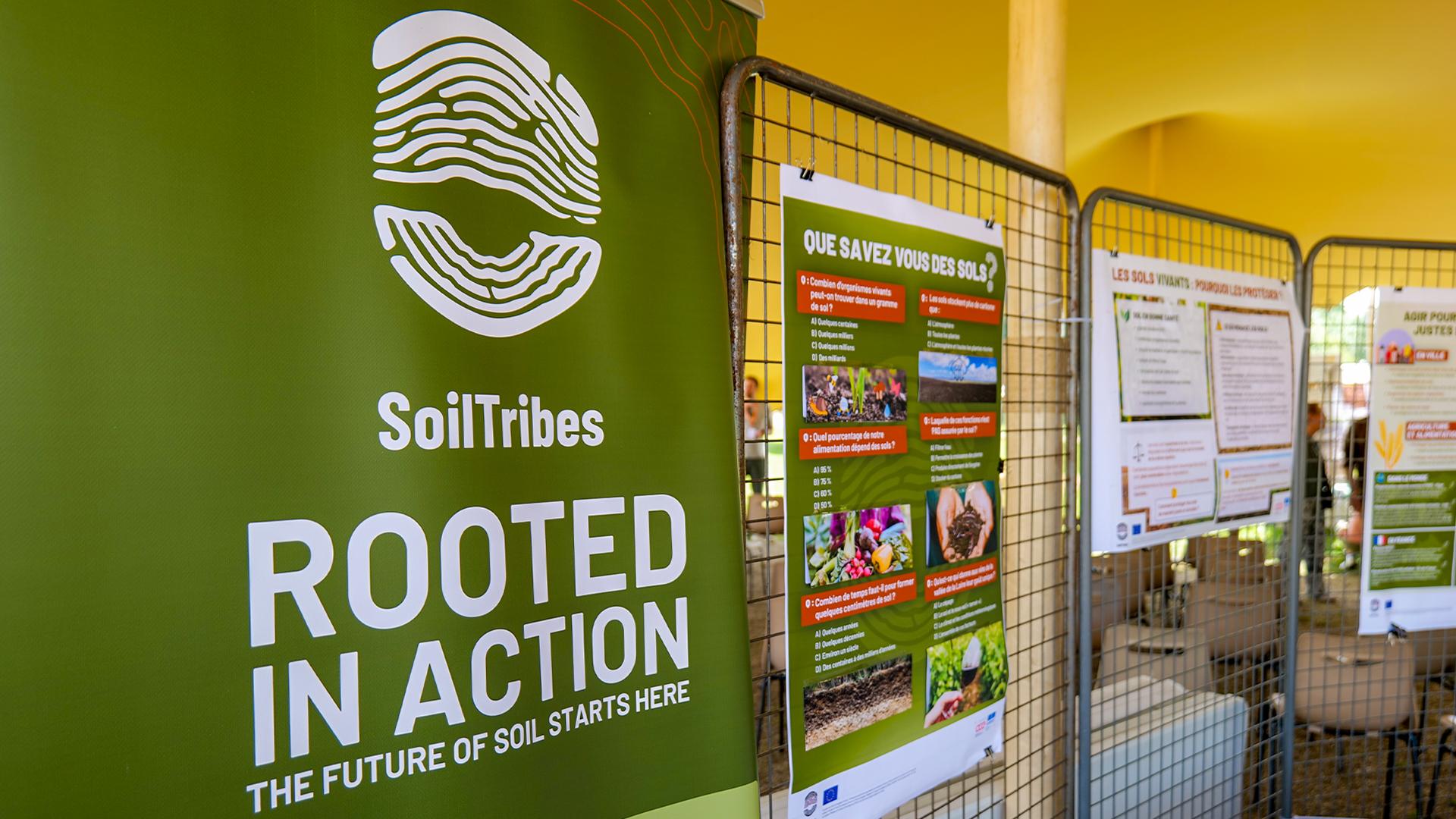
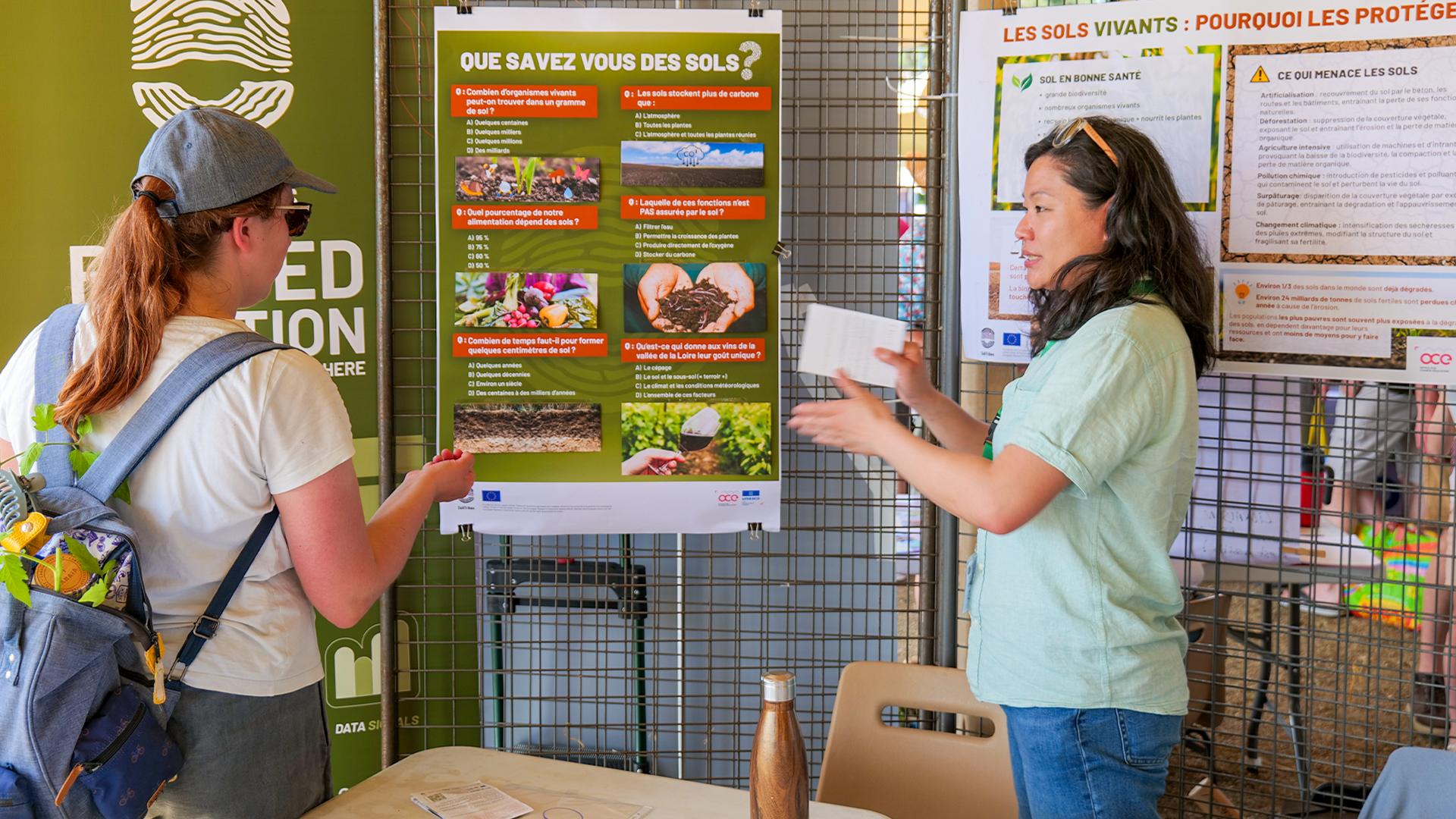
At the Soil Justice Interactive Stand, these ideas were translated into formats that were easy to approach, explore, and discuss. Visitors could read educational posters, ask questions, take part in dialogue, contribute creatively, or simply pass by and engage with the materials at their own pace.
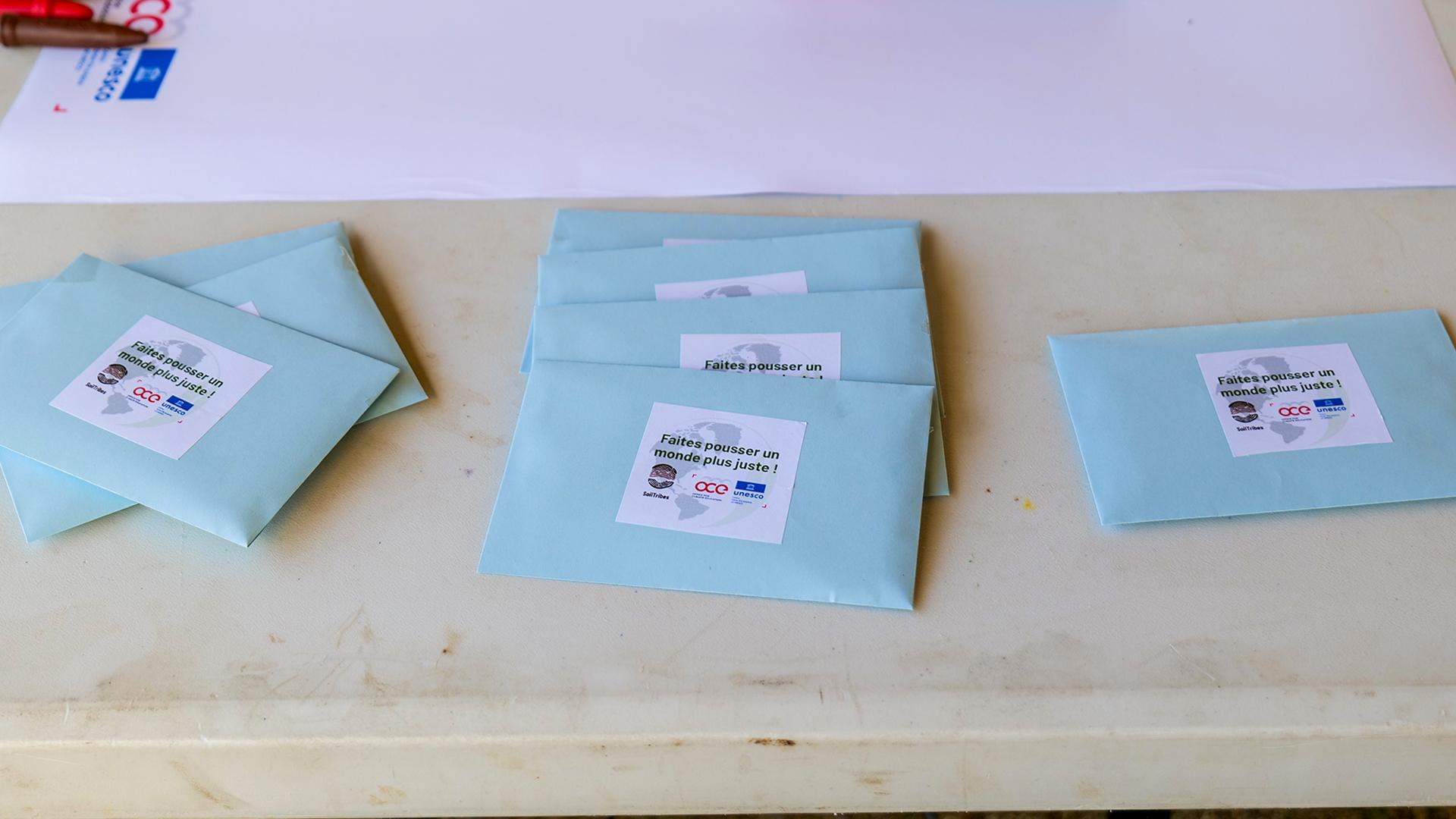
This open format created a welcoming space for different types of participation. Some visitors stopped to discuss soil-related issues with the OCE team. Others read the posters, observed the activities, contributed to the drawings, or took free samples. Together, these interactions created multiple entry points for public engagement, showing that soil literacy can grow through curiosity, conversation, and shared experience.
Festivals offer an important opportunity to reach people outside traditional educational or scientific environments. In Angers, the Soil Justice Interactive Stand used this setting to connect soil with everyday concerns, community experiences, and practical action.
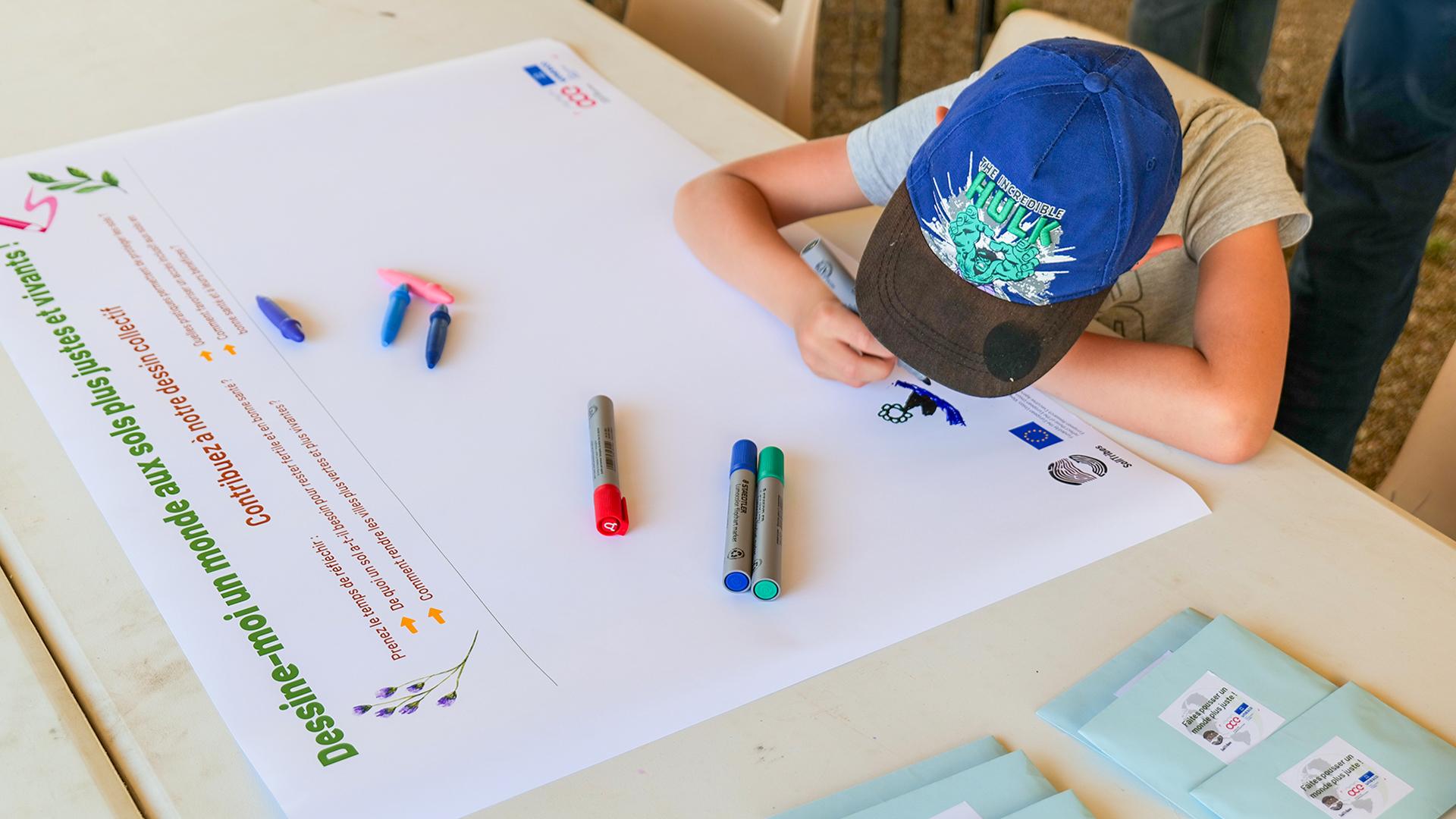
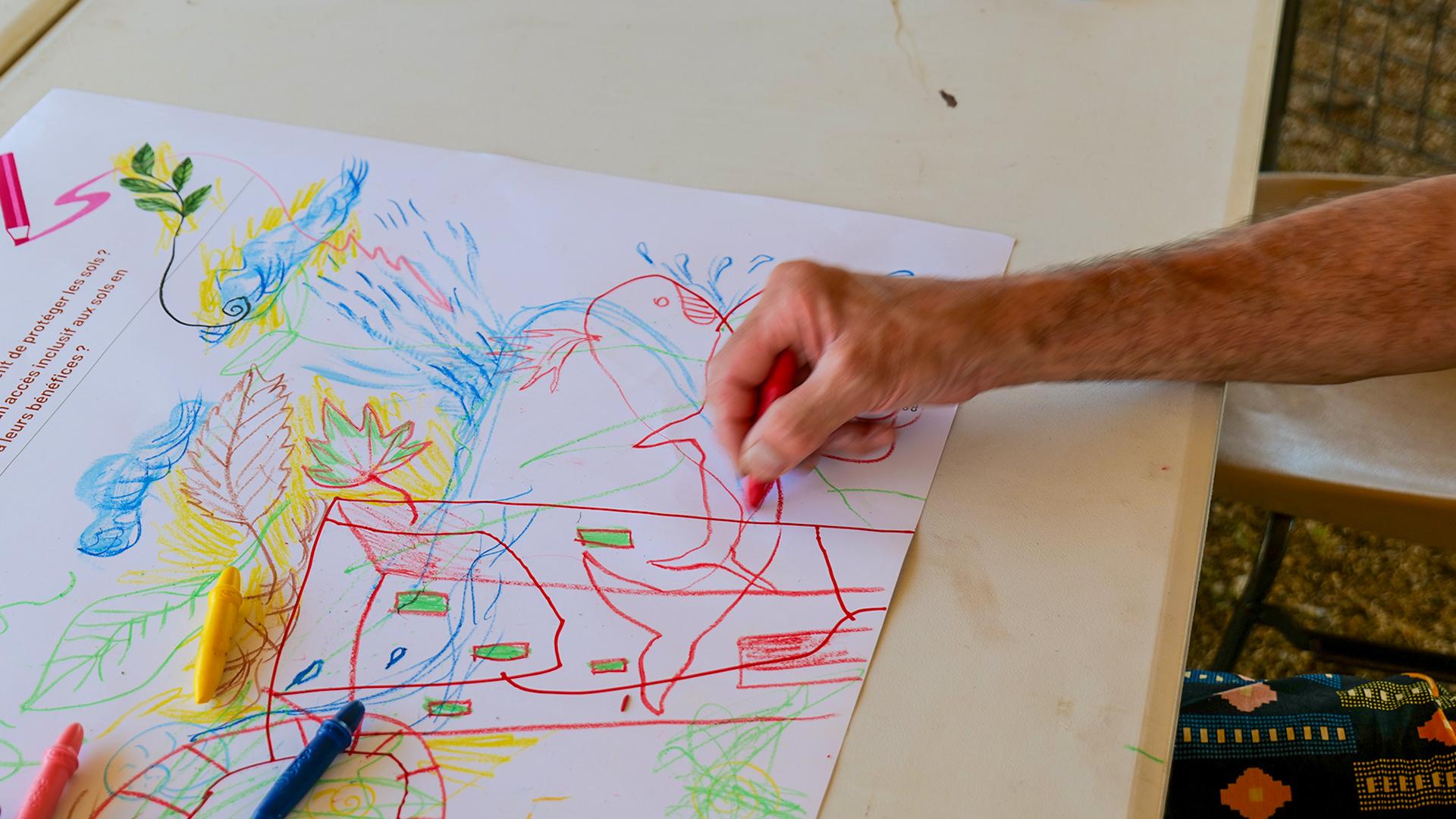
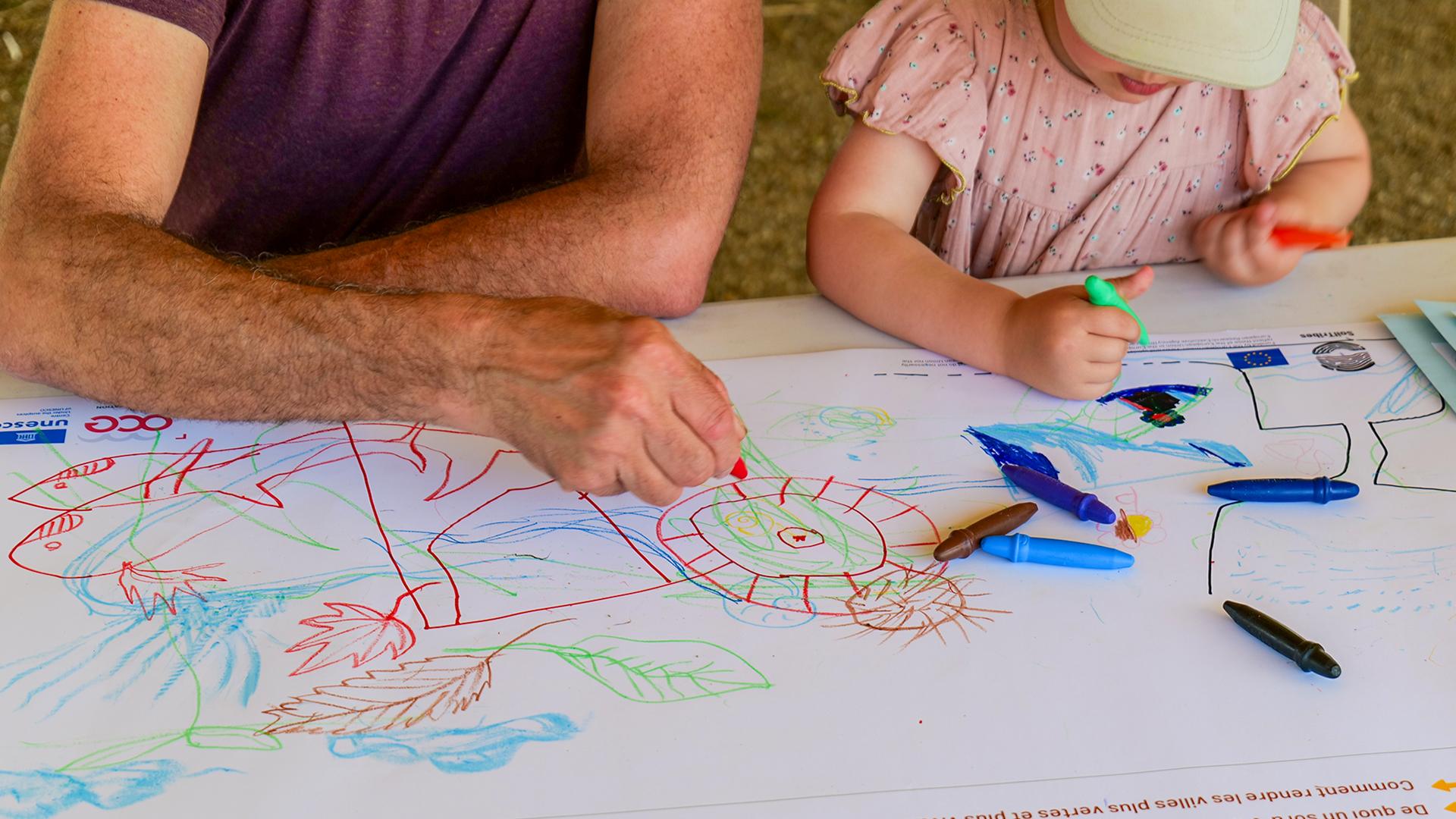
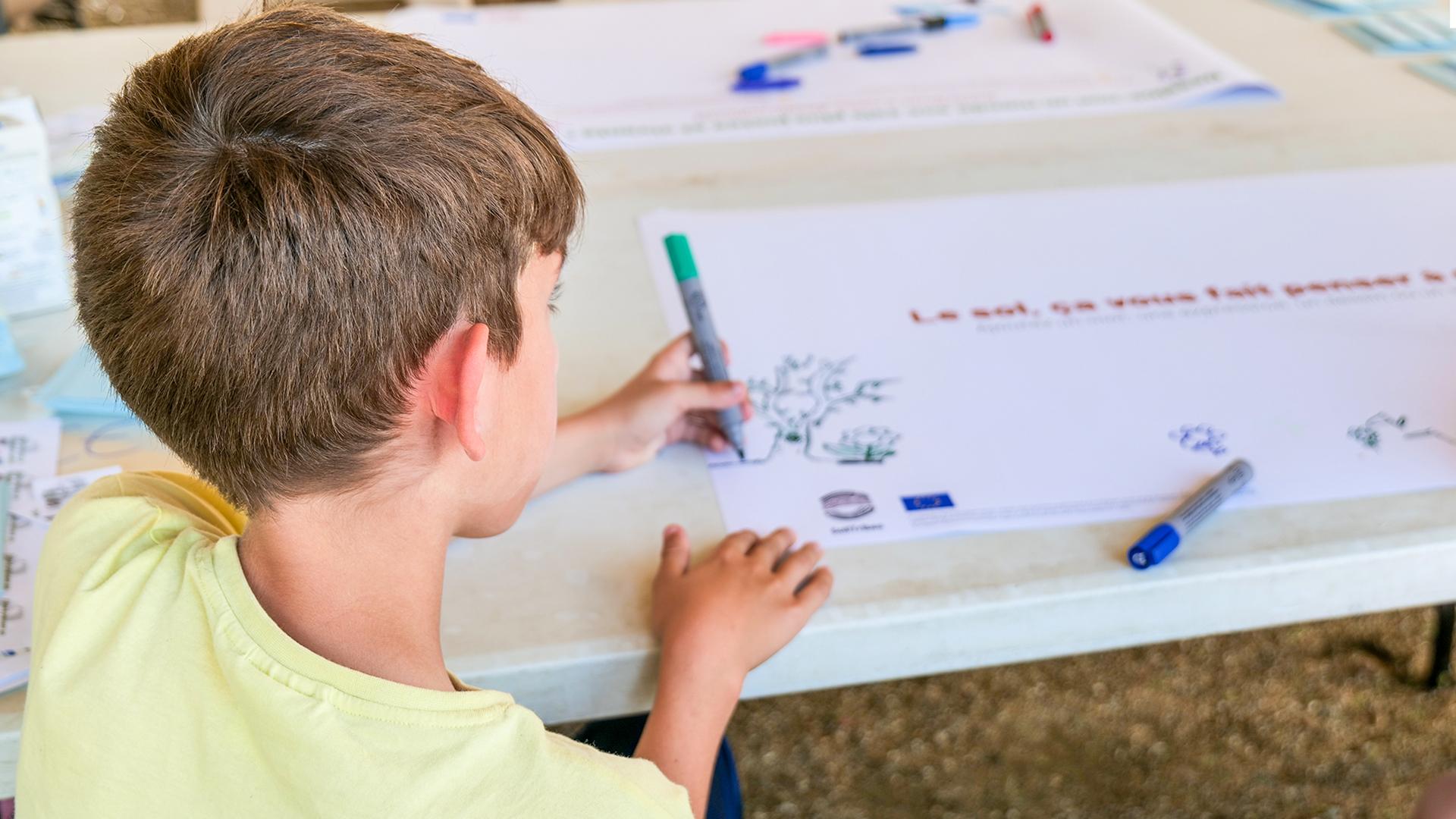
A key part of the stand was the use of collaborative art. Rather than only presenting information, the activity invited visitors to express their own thoughts, feelings, and visions related to soil.
Participants contributed to two collective art projects.
The first invited people to share words, ideas, drawings, symbols, and expressions inspired by soil and their personal connection to it. This created a shared visual space where different perspectives could coexist, from emotional associations to practical reflections.
The second invited participants to imagine what a world with just and sustainable soils could look like. This encouraged visitors to move from awareness to imagination, reflecting not only on current challenges but also on possible futures.
By using art as a participatory method, the activity made soil justice more tangible and personal. It encouraged visitors to connect knowledge with emotion, and reflection with creativity. This is central to the SoilTribes approach: strengthening soil literacy by making soil meaningful, accessible, and connected to people’s lives.
The Soil Justice Interactive Stand reached more than 2,000 direct and indirect participants in Angers, France. For SoilTribes, this activity is a strong example of being rooted in action: connecting soil knowledge with people, communities, and creative expression.