Soil Assembly
Switzerland, Ukraine, Slovenia, Netherlands, Germany, France, United Kingdom
About
Living pedagogies and regenerative cultural practice.
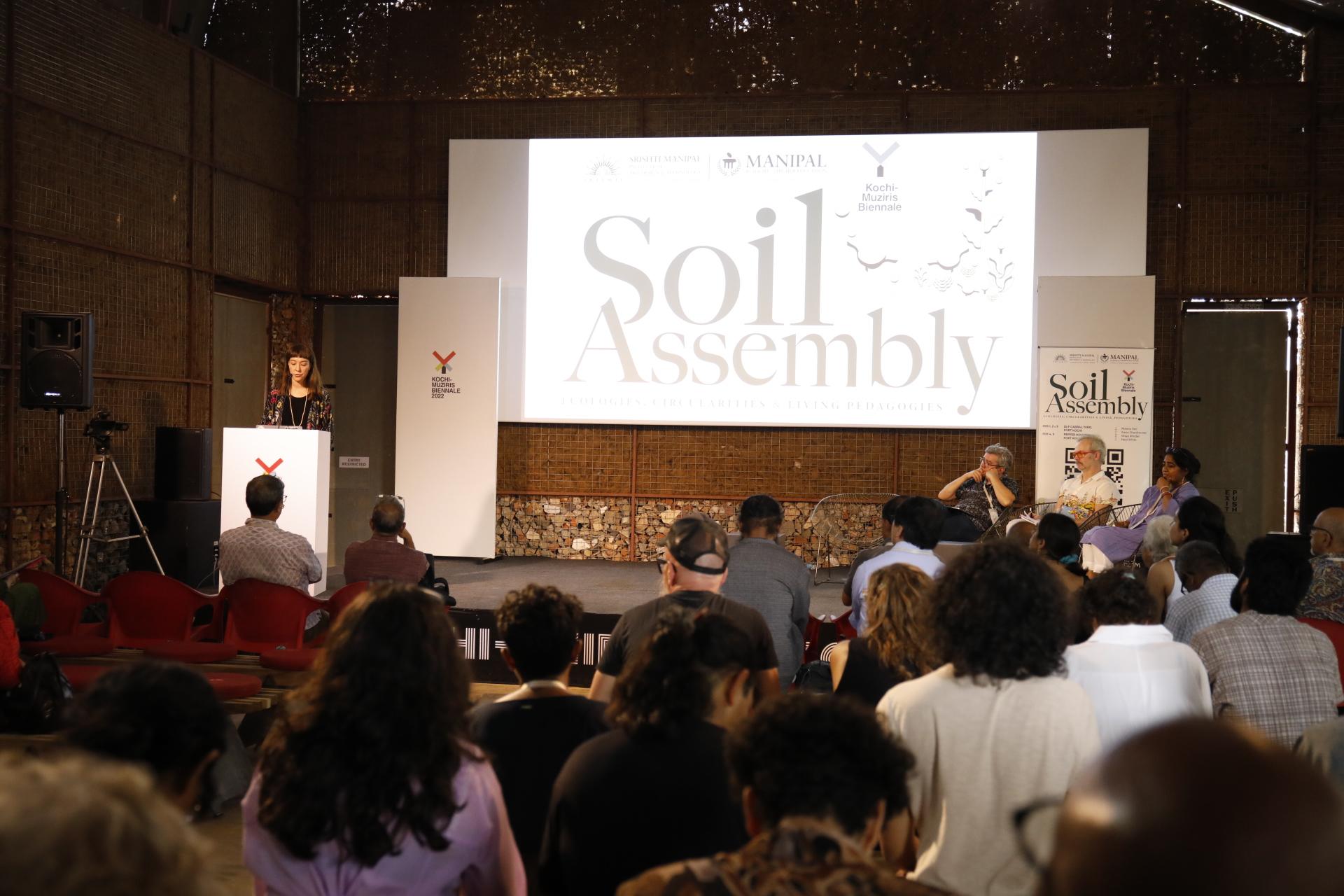
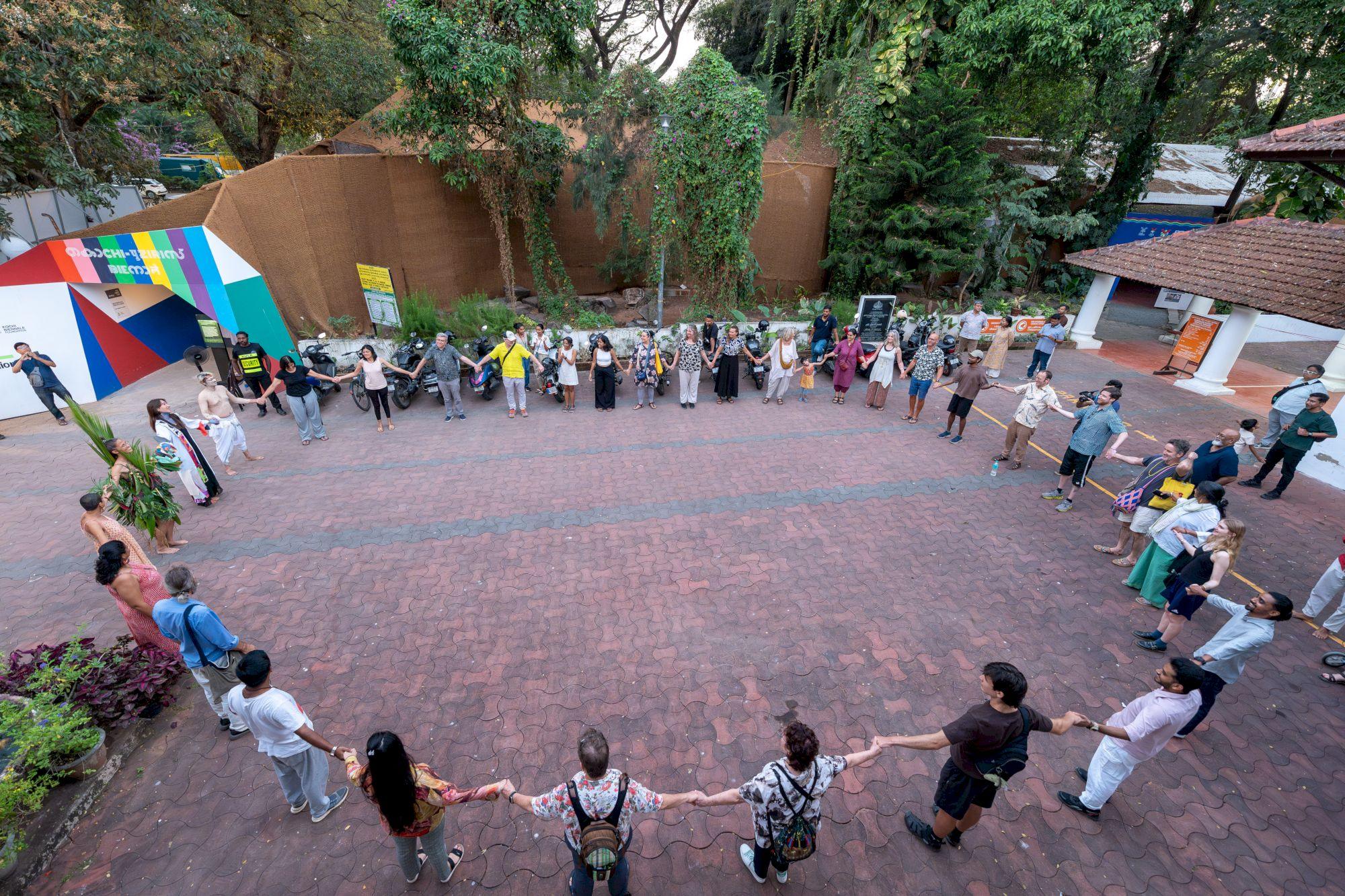
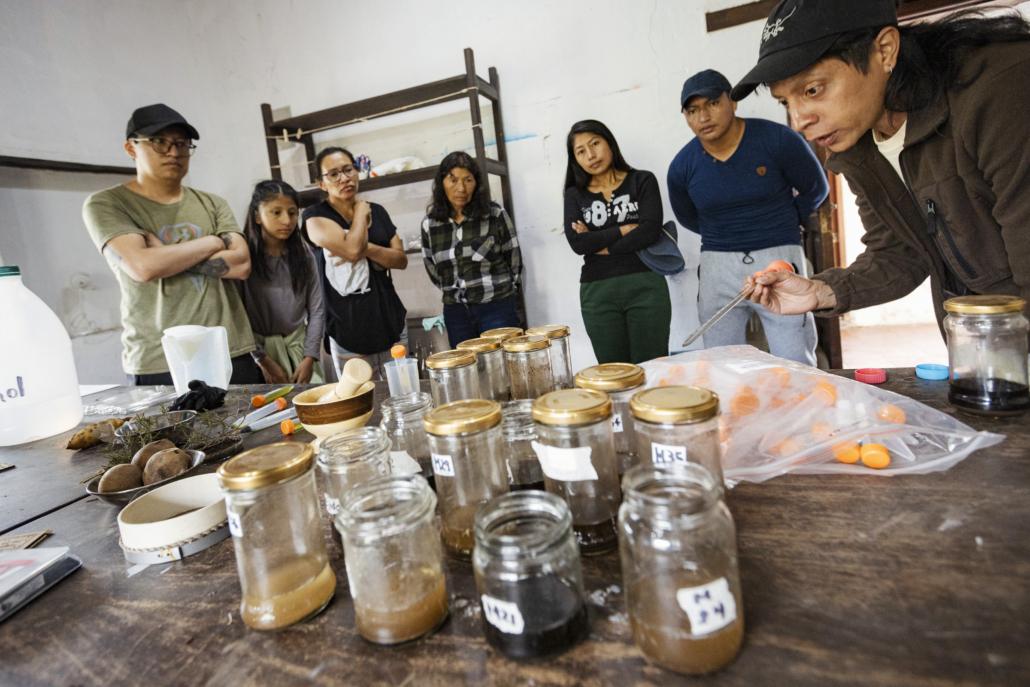
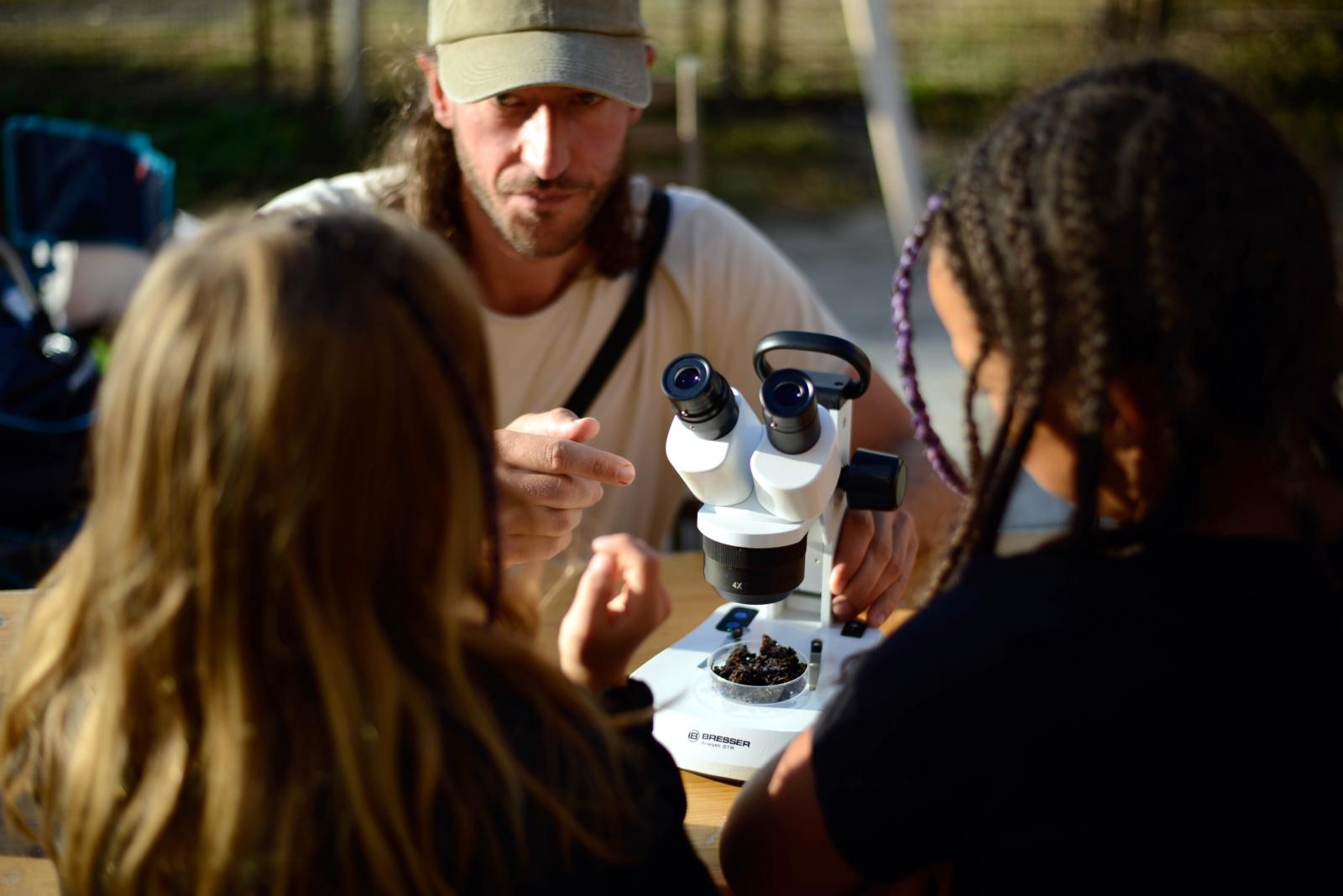
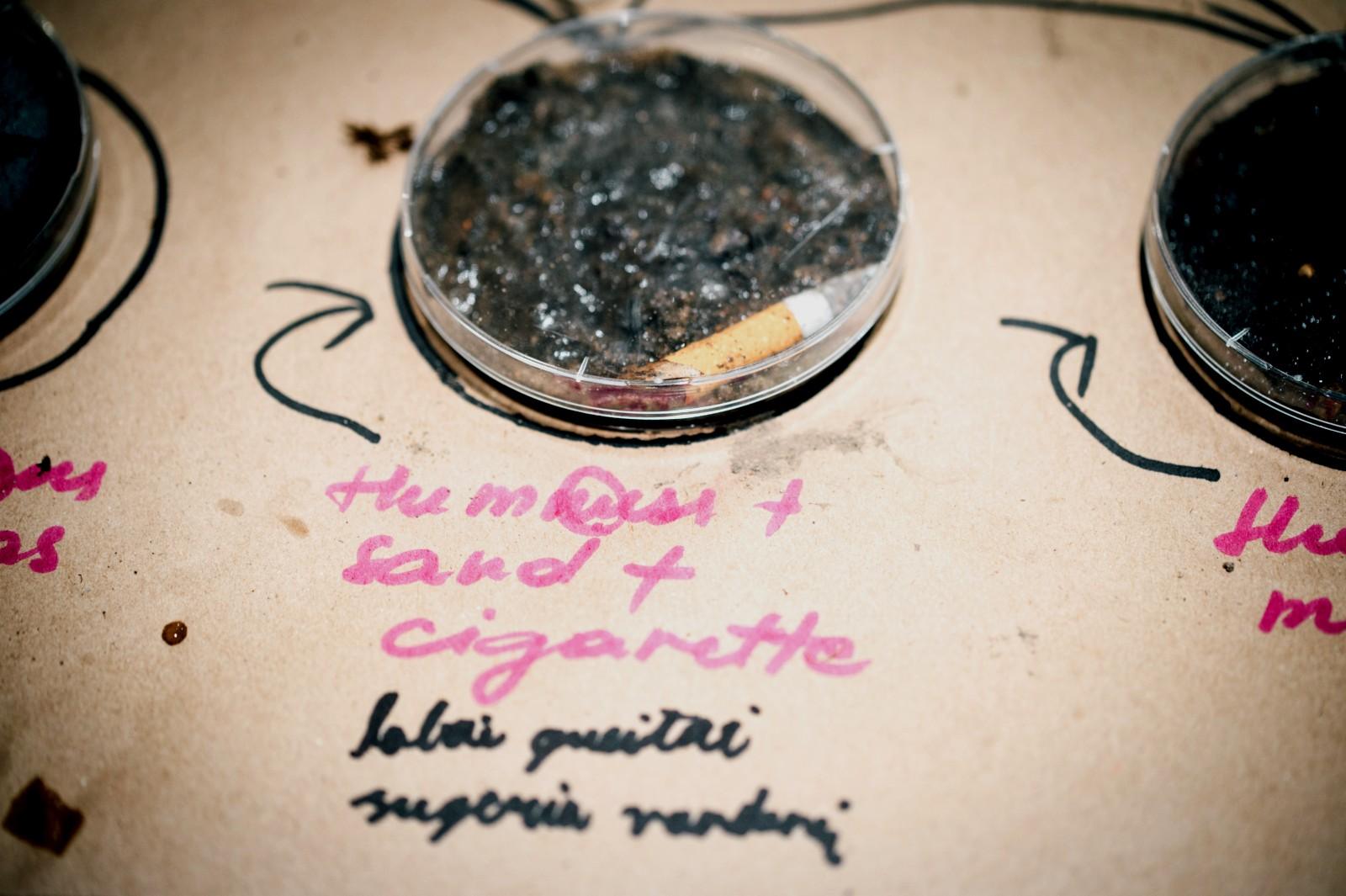
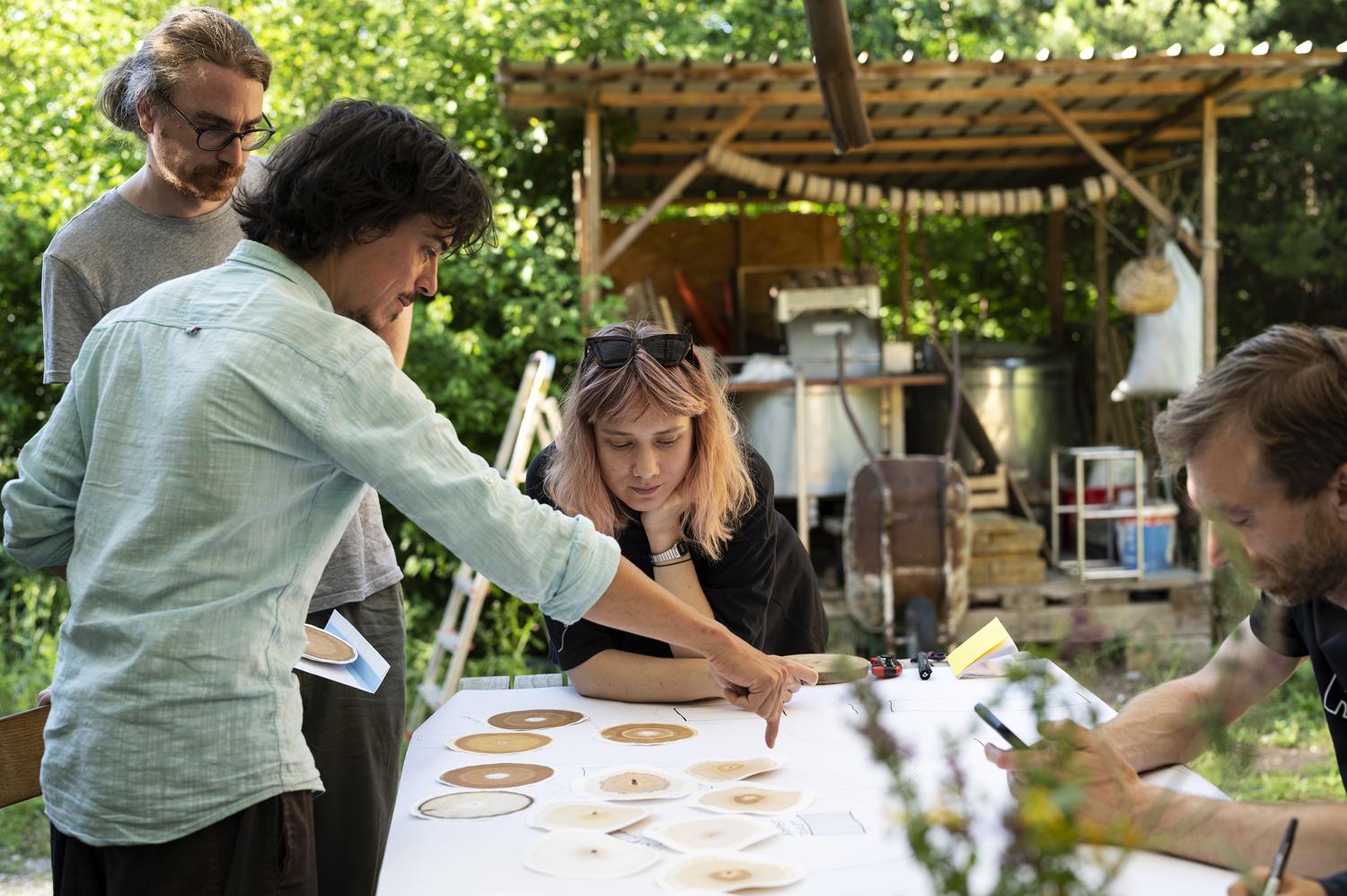
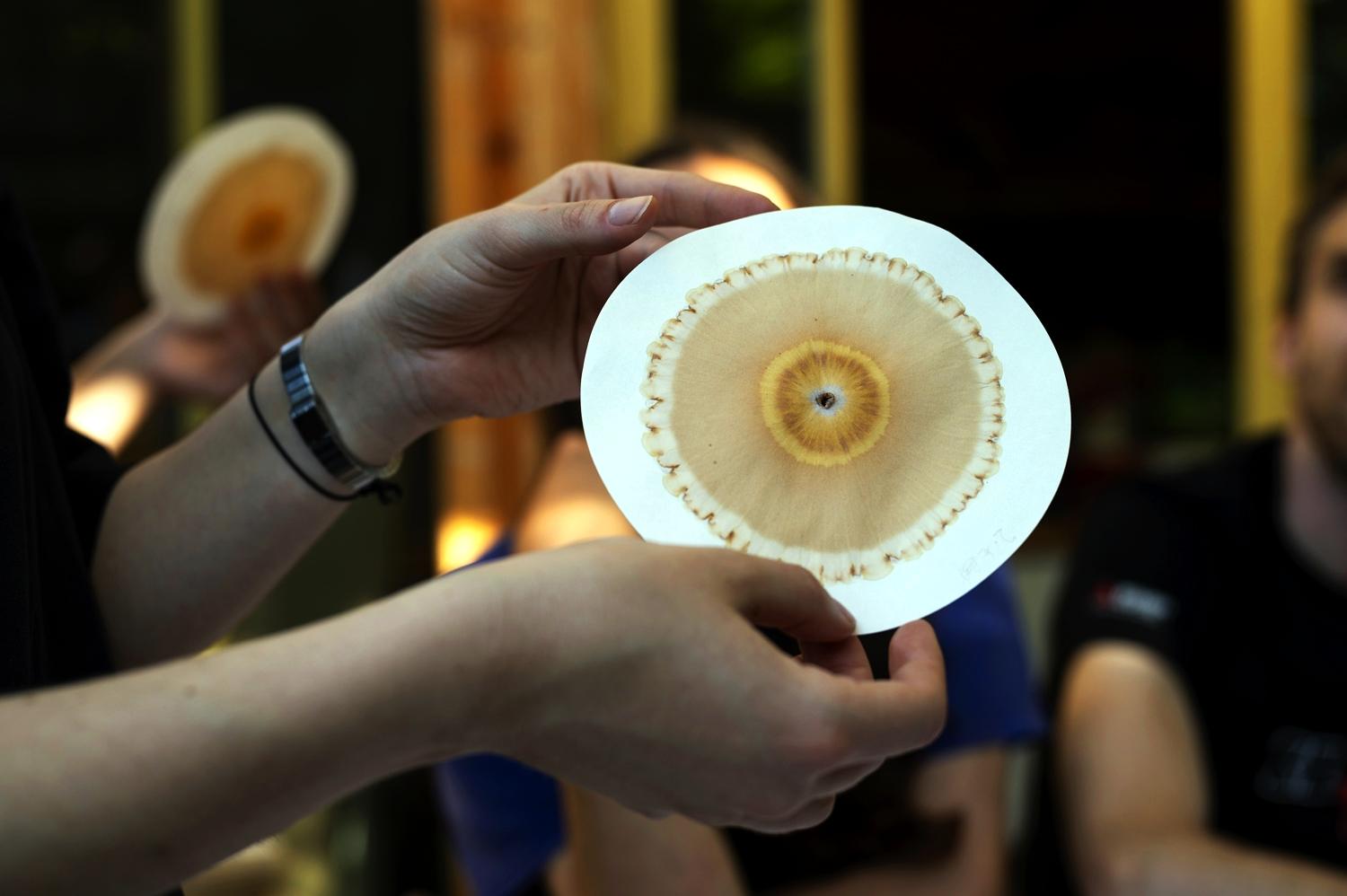
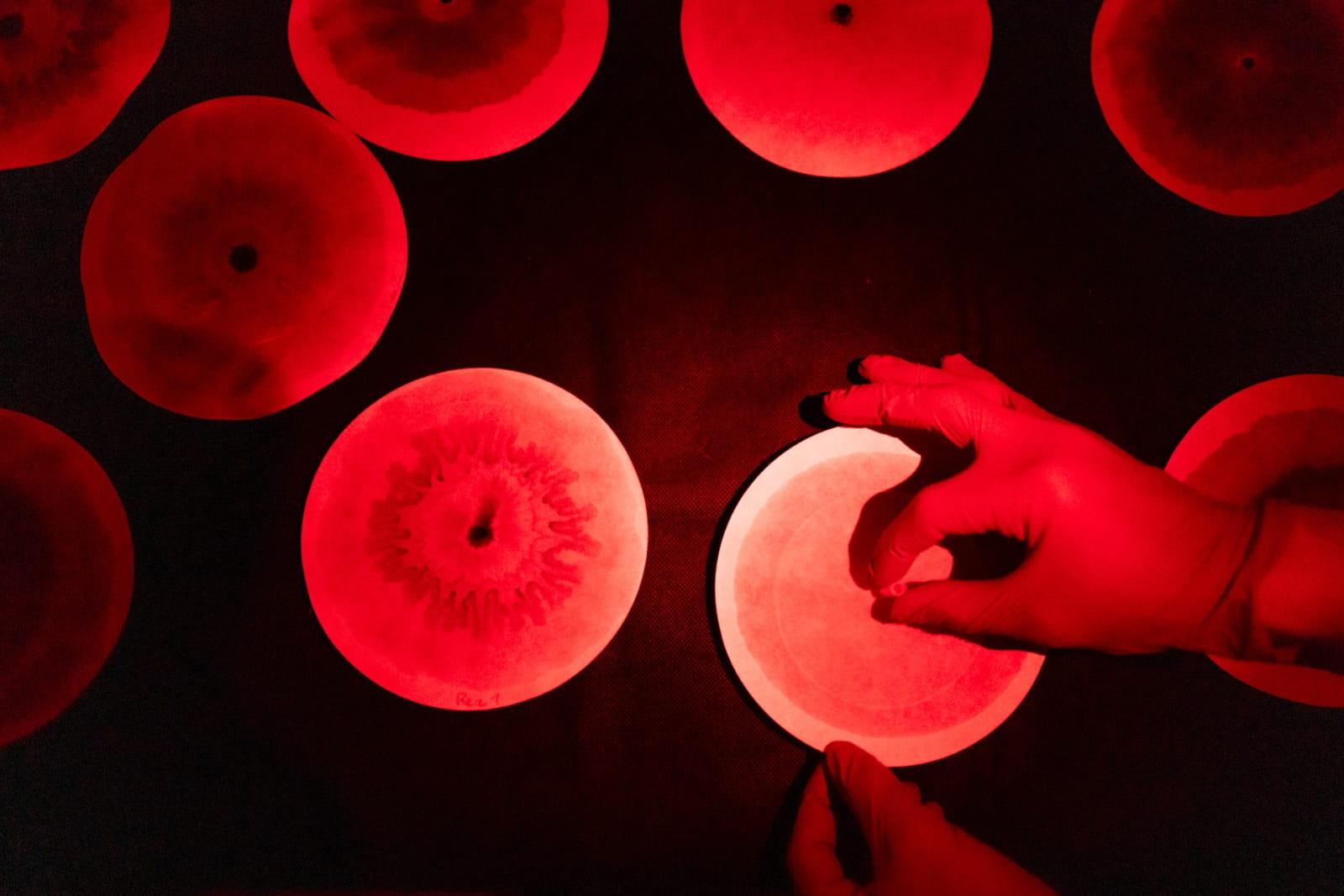
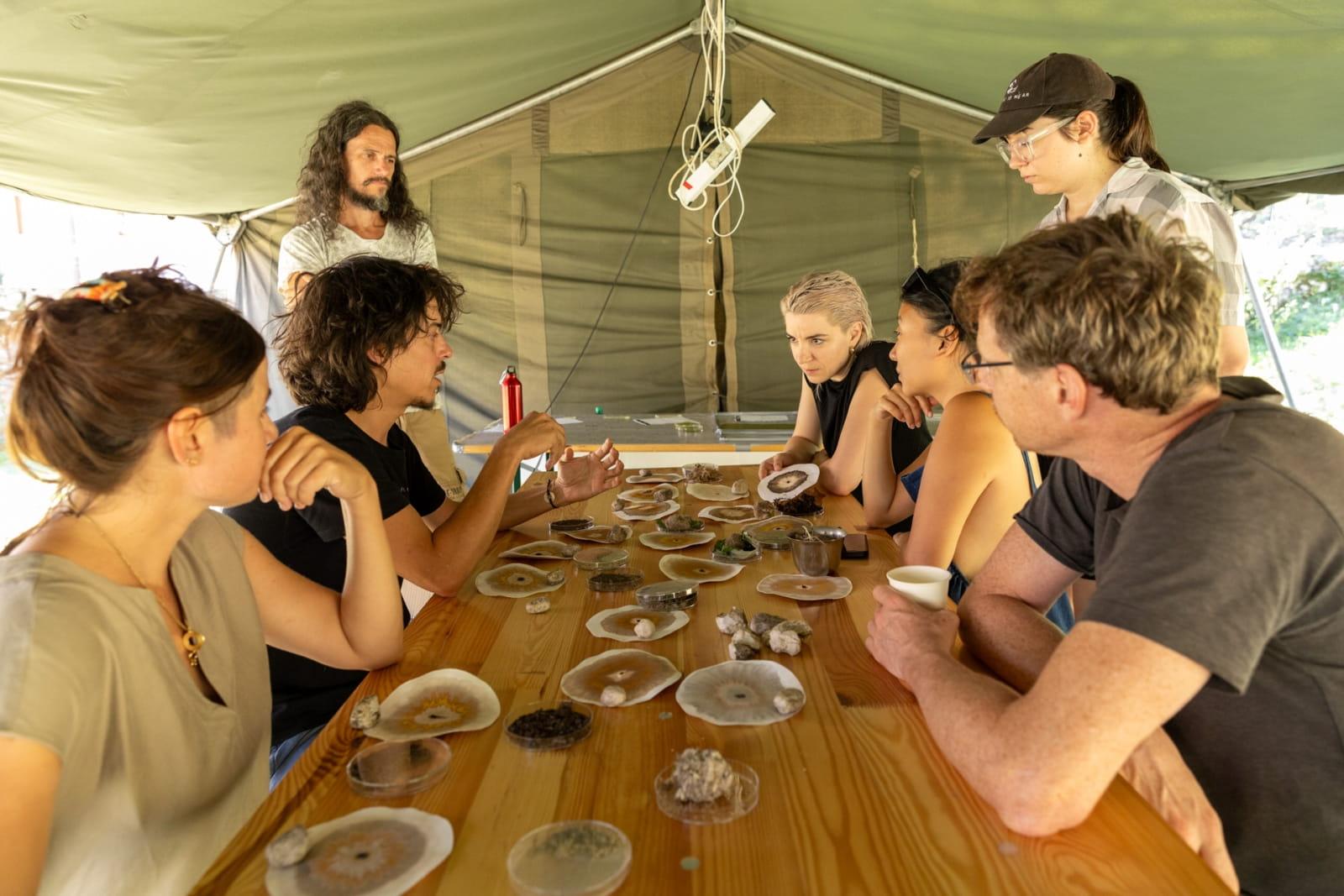
Soil Assembly is a one-year trans-local network led by ART2M across Switzerland, Ukraine, Slovenia, the Netherlands, Germany, France, and the United Kingdom. It brings artists, farmers, researchers, educators, designers, activists, hackers, and communities together through regional assemblies, field visits, workshops, citizen science, composting, storytelling, low-tech experimentation, fanzines, toolkits, and an online repository. The process culminates in the fourth International Soil Assembly in Berlin in January 2027, strengthening living pedagogies and regenerative cultural practice around soil.
Project overview
Soil degradation, biodiversity loss, pollution, and community disconnection from living ecosystems.
Redesign SoilAssembly.net; online wiki repository; fanzines/toolkits; white paper; distributed regional assemblies May–August 2026; final international Soil Assembly in Berlin, January 2027.
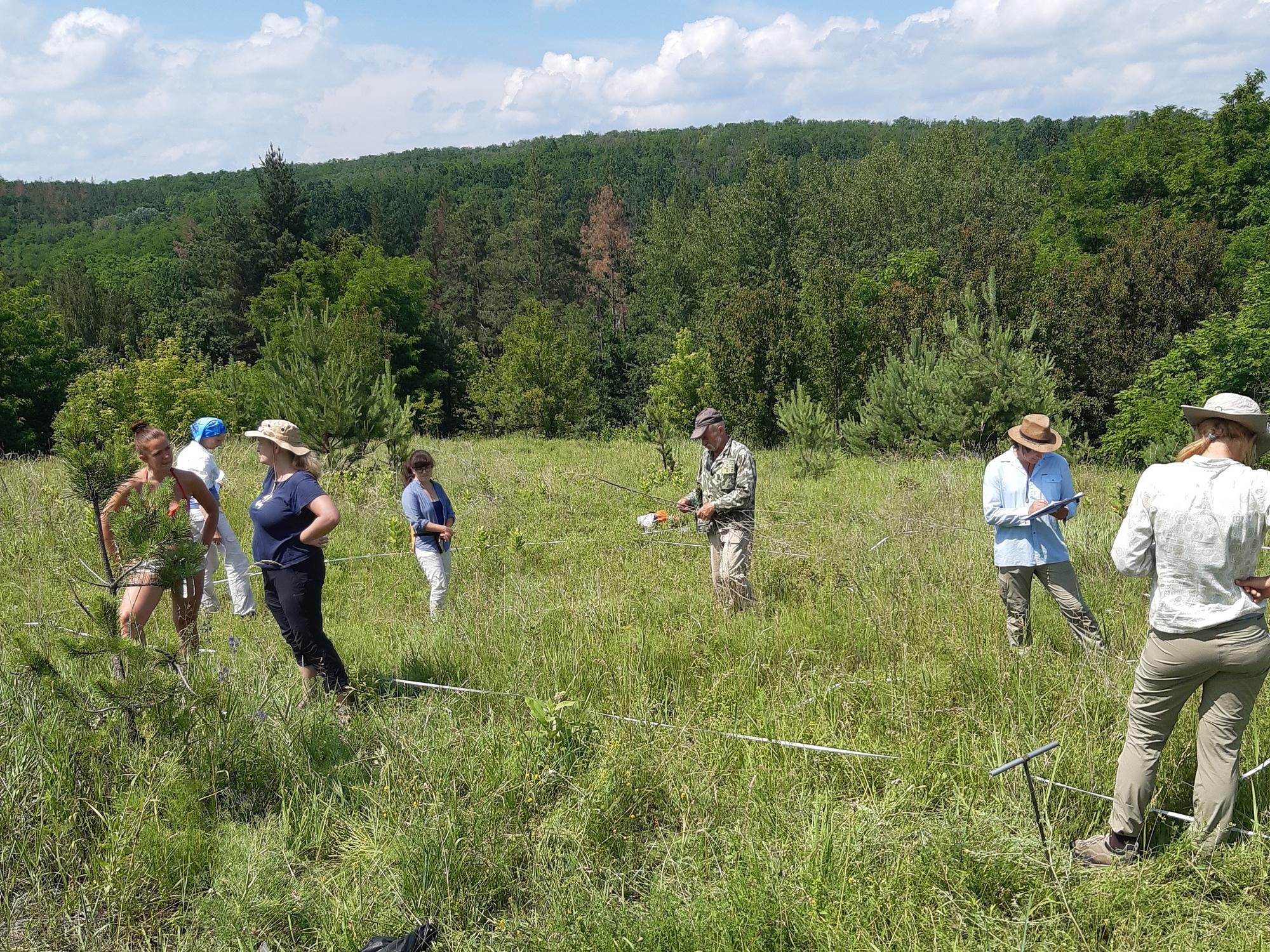
Uses living pedagogies, citizen science, and place-based learning through assemblies as living laboratories for soil observation, composting, regenerative agriculture, biodiversity, mapping, and low-tech experimentation.
ART2M, CREAM – University of Westminster, International Hackteria Society, Kompost.Zone – Universität Münster, Krater Collective, mikroBIOMIK, Ukraine Ecostations Network, Zone2Source
Soil degradation, biodiversity loss, pollution, and community disconnection from living ecosystems.
Uses living pedagogies, citizen science, and place-based learning through assemblies as living laboratories for soil observation, composting, regenerative agriculture, biodiversity, mapping, and low-tech experimentation.
Redesign SoilAssembly.net; online wiki repository; fanzines/toolkits; white paper; distributed regional assemblies May–August 2026; final international Soil Assembly in Berlin, January 2027.
ART2M, CREAM – University of Westminster, International Hackteria Society, Kompost.Zone – Universität Münster, Krater Collective, mikroBIOMIK, Ukraine Ecostations Network, Zone2Source
Photo Gallery