From Coffee Grounds to Healthy Soil: Cluj-Napoca Tests Urban Composting with SoilTribes
What if the organic waste produced every day in our homes and local cafés could become a resource for healthier soils?
In Cluj-Napoca, Romania, this idea is being put into practice through a new urban composting pilot launched within SoilTribes. From September to November 2026, Cluj-Napoca Municipality and local partners are testing how decentralized composting can become part of everyday city life, bringing together residents, a local café, and housing associations around a simple principle: organic waste does not always have to be waste.
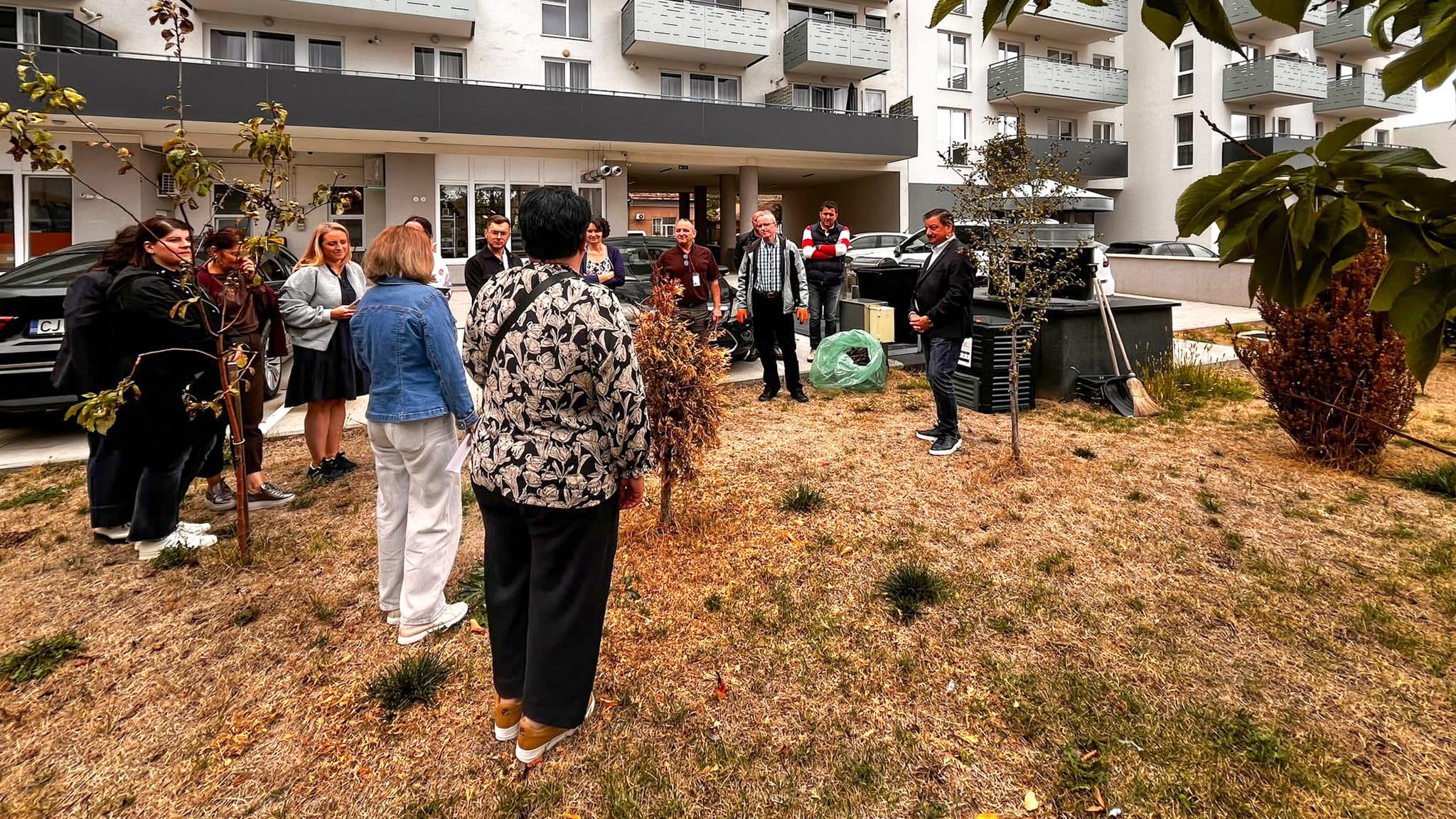
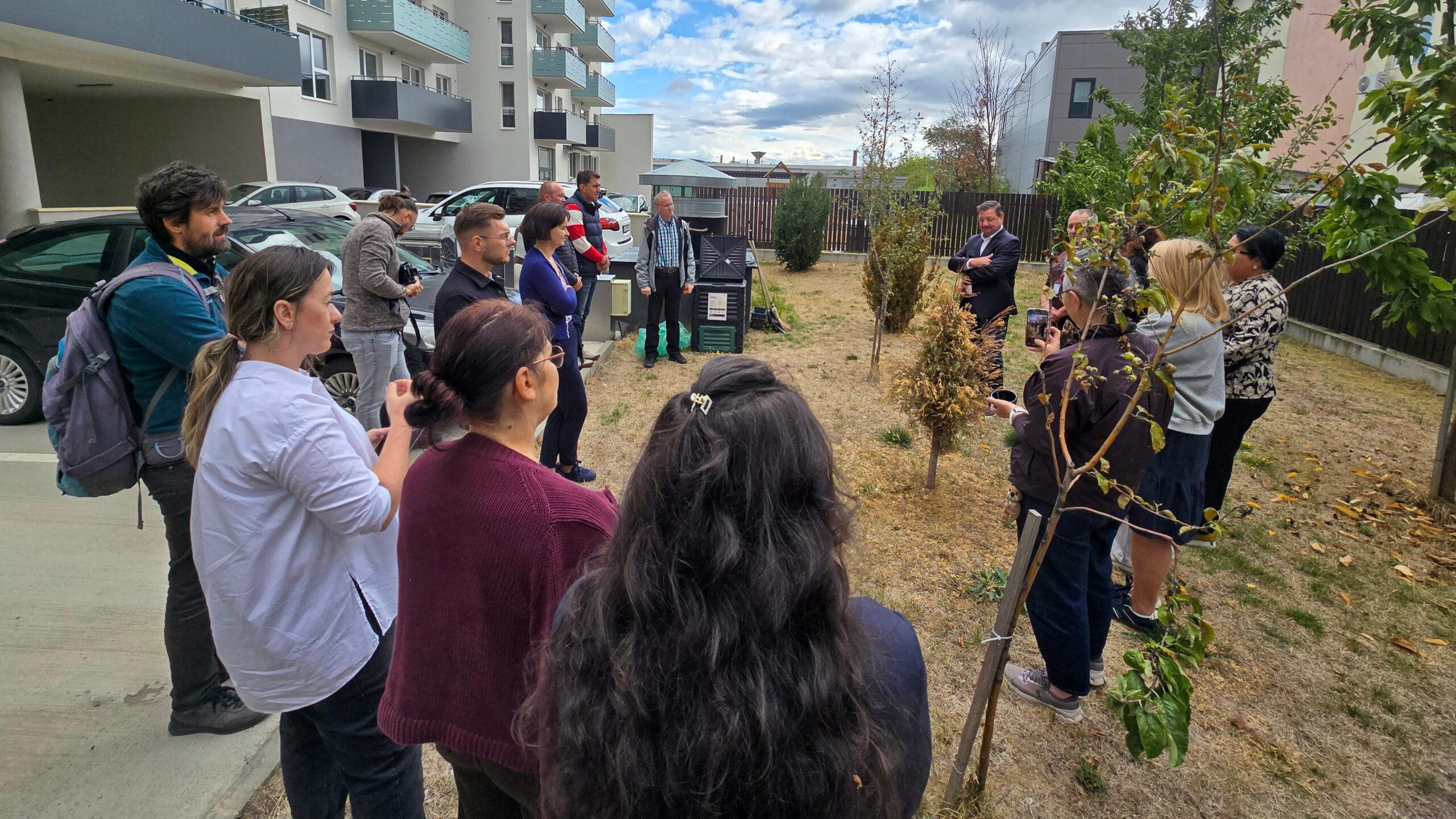
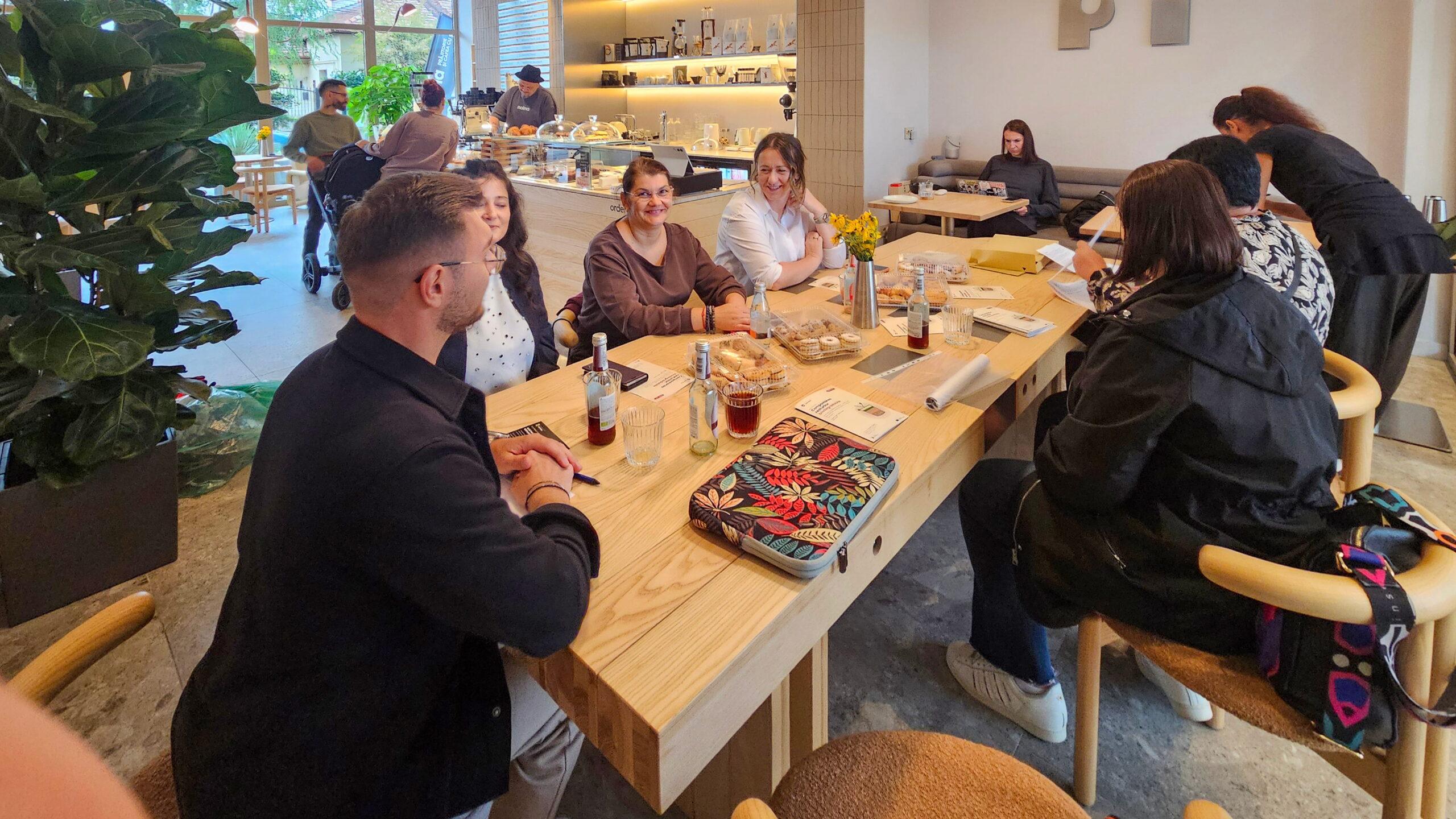
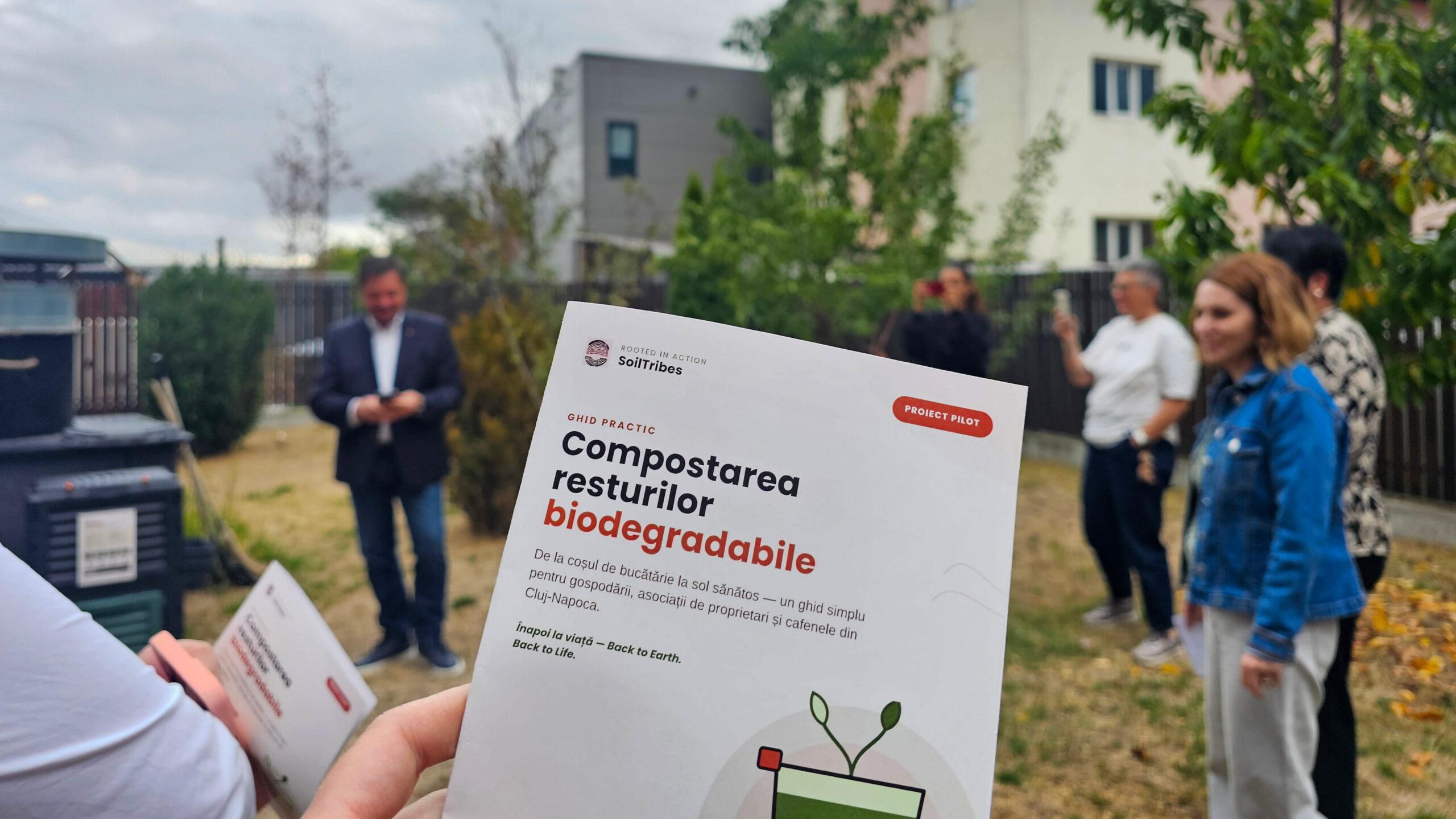
Launched on 21 September 2026 at noima cafe, the pilot focuses on the Hașdeu, Oser, and Mănăștur neighborhoods and combines practical composting infrastructure with public engagement and learning.
Bringing composting closer to everyday life
Urban waste management can often feel distant from the daily choices people make at home, at work, or while visiting their local café. The Cluj-Napoca pilot brings these two levels closer together.
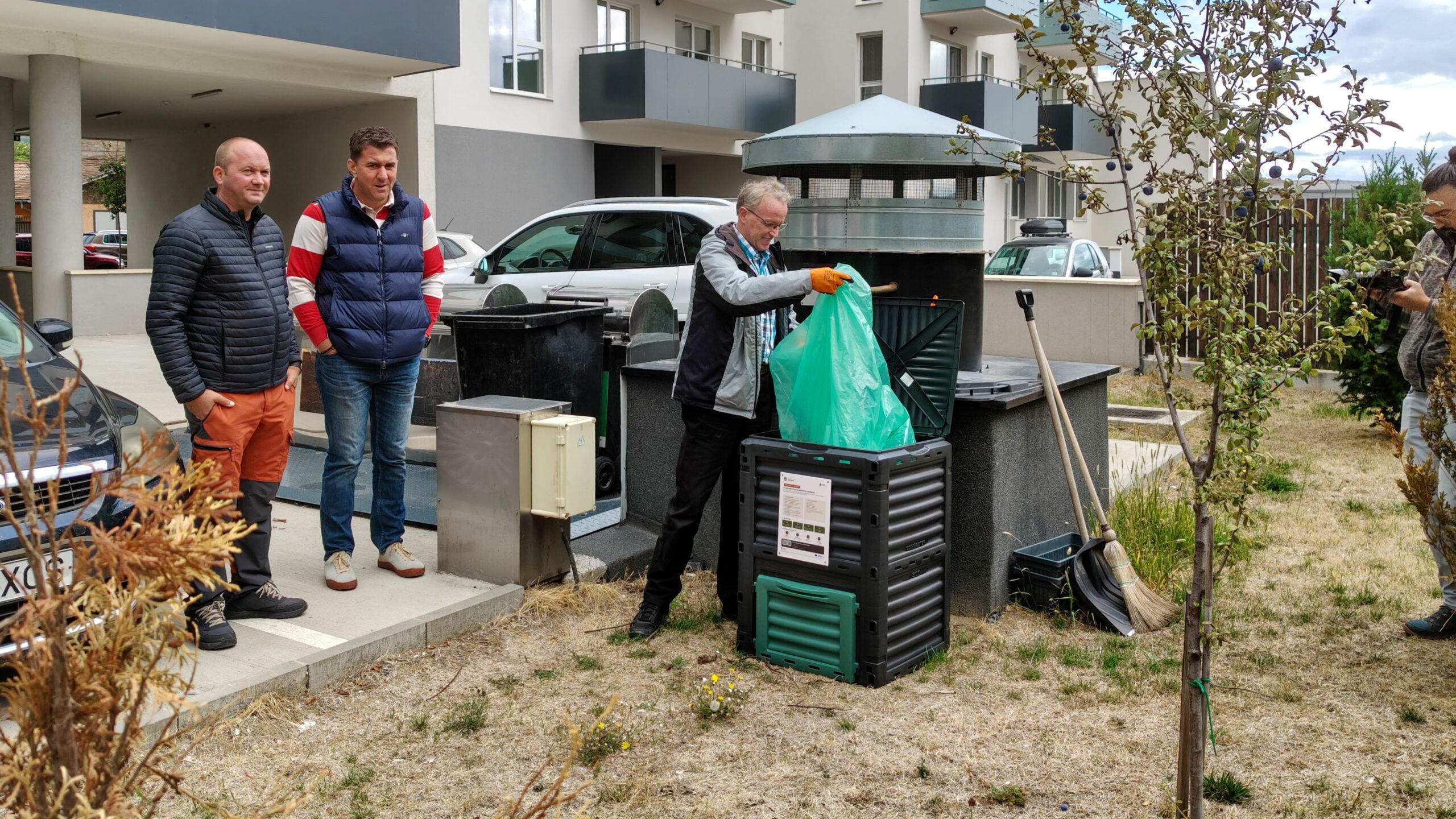
Three compost bins have been installed across participating locations, creating local collection points and testing how neighborhood-scale composting can work in practice.
The initiative brings together Cluj-Napoca Municipality, noima cafe, housing associations, and a participating local household. By involving different parts of the community, the pilot explores how decentralized organic waste management can be integrated into existing urban routines rather than treated as a separate activity.
The approach reflects the wider SoilTribes vision of connecting knowledge with practical, community-driven action and strengthening the relationship between society and soil.
Coffee grounds become part of the story
At demonstration events hosted at noima cafe, citizens are invited to bring their spent coffee grounds and discover practical approaches to composting. Educational materials and hands-on demonstrations help participants better understand what happens to organic waste and how composting can return valuable organic matter to soil.
The café therefore becomes more than a collection point. It creates a familiar community space where residents can learn, ask questions, and explore how small changes in everyday habits can contribute to more circular approaches to waste.
As Gabriela Rus, Cluj-Napoca Municipality Representative, explains:
“By bringing composting directly into neighborhoods, cafés, and residential blocks, we are proving that sustainable waste management isn’t an abstract policy—it is a daily habit that every citizen can take part in.”
Testing what works at neighborhood level
The pilot is not only raising awareness. It is also designed as a practical testing ground.
Throughout the implementation period, the team will monitor the volume of organic waste collected and citizen participation. These observations will contribute to a final report assessing the feasibility, operational conditions, and environmental impact of expanding decentralized composting solutions across Cluj-Napoca.
The pilot therefore connects three dimensions: infrastructure, community participation, and policy learning.
From organic waste to a local resource
At its core, the activity encourages a shift in perspective. Instead of seeing organic waste only as something to dispose of, the pilot explores its potential as a resource that can return to the soil through composting.
By testing this approach in homes, residential areas, and a local business, Cluj-Napoca is creating a space where municipal strategy meets everyday behavior. The experience gathered between September and November will help identify both the opportunities and practical conditions for expanding neighborhood-scale composting.